Música Salsa . . . a fusion of colours, shapes and directions. It shines with vitality and reminds me of Spanish canción and guitar and Afro-Cuban percussion, merged with North American jazz. What else could I call but Salsa? https://witness.theguardian.com/assignment/551ab38be4b09db6ebaa8ed0/1457522
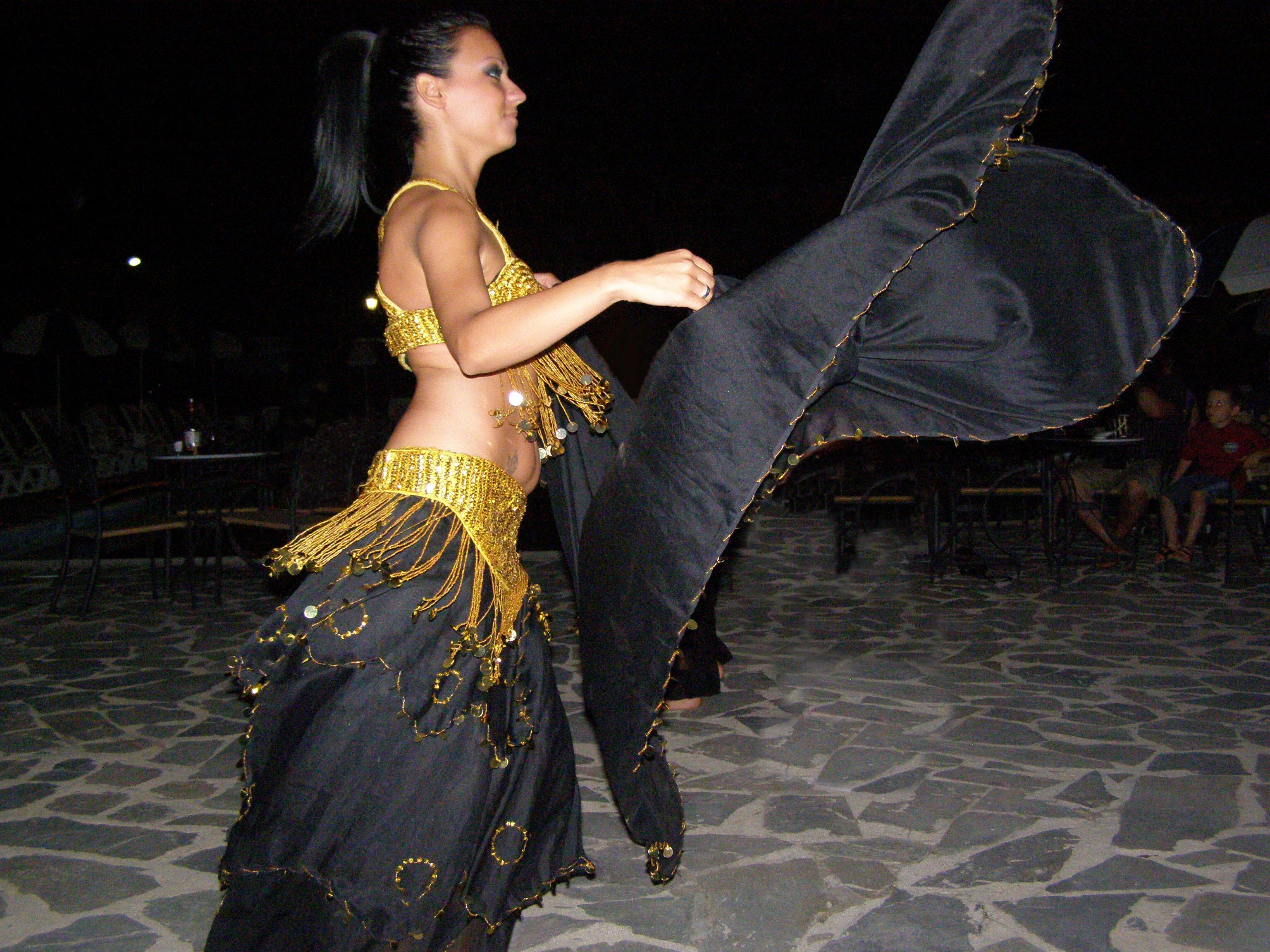
I was enjoying a warm, ouzo evening, watching her dance. Most people had gone. I wanted her dance to be more tangible than a mere memory and when I picked up my camera, her dance became more flamboyant.
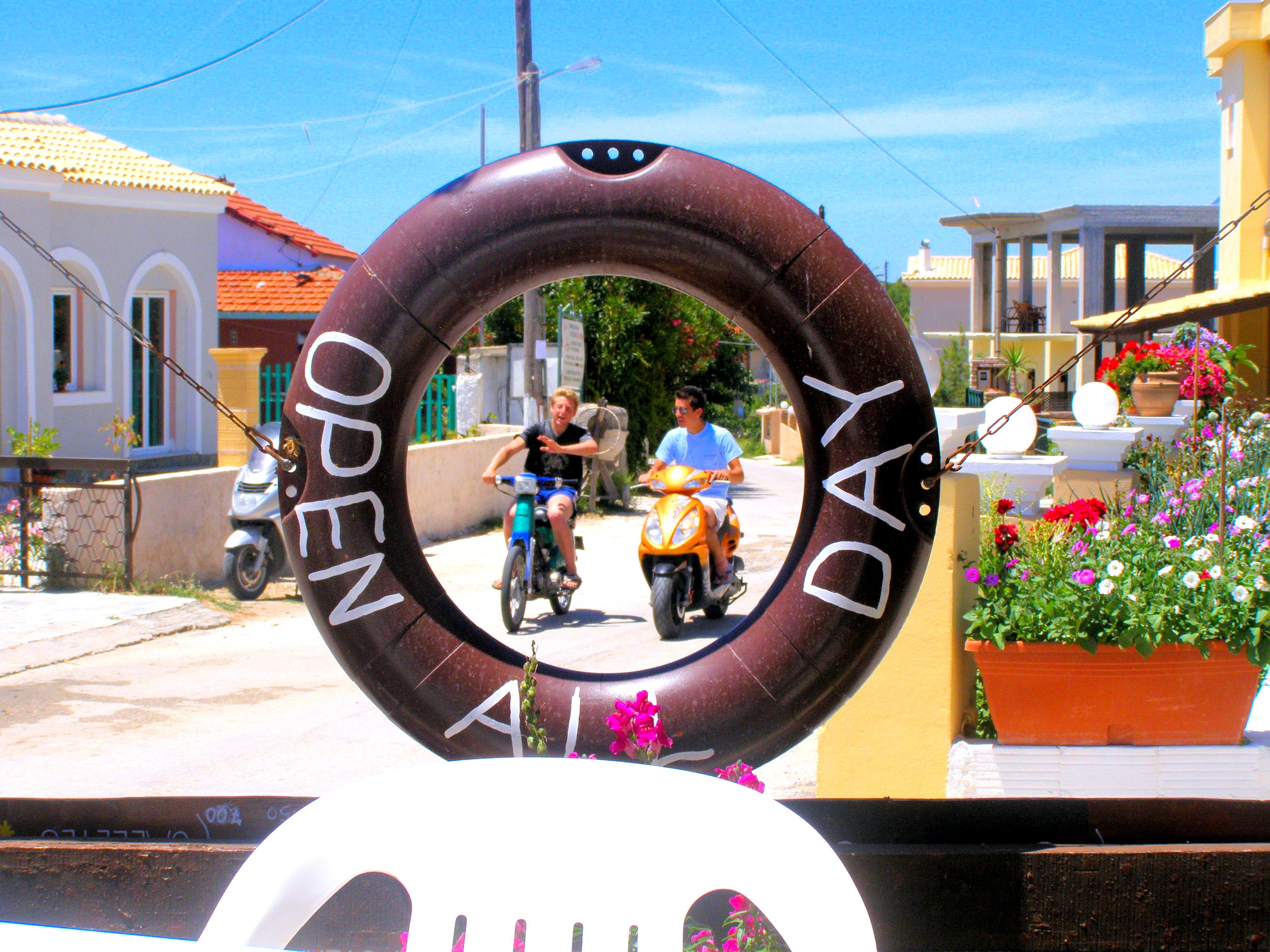
I was spending a day at Agios Georgios (Saint George’s Beach) in Corfu. Mid-afternoon, I walked up to the main road to have a coffee. I was amused that the words, ‘Open All Day’, were facing inwards rather than outwards. I saw the daredevils approaching and decided to frame them for something they hadn’t done.
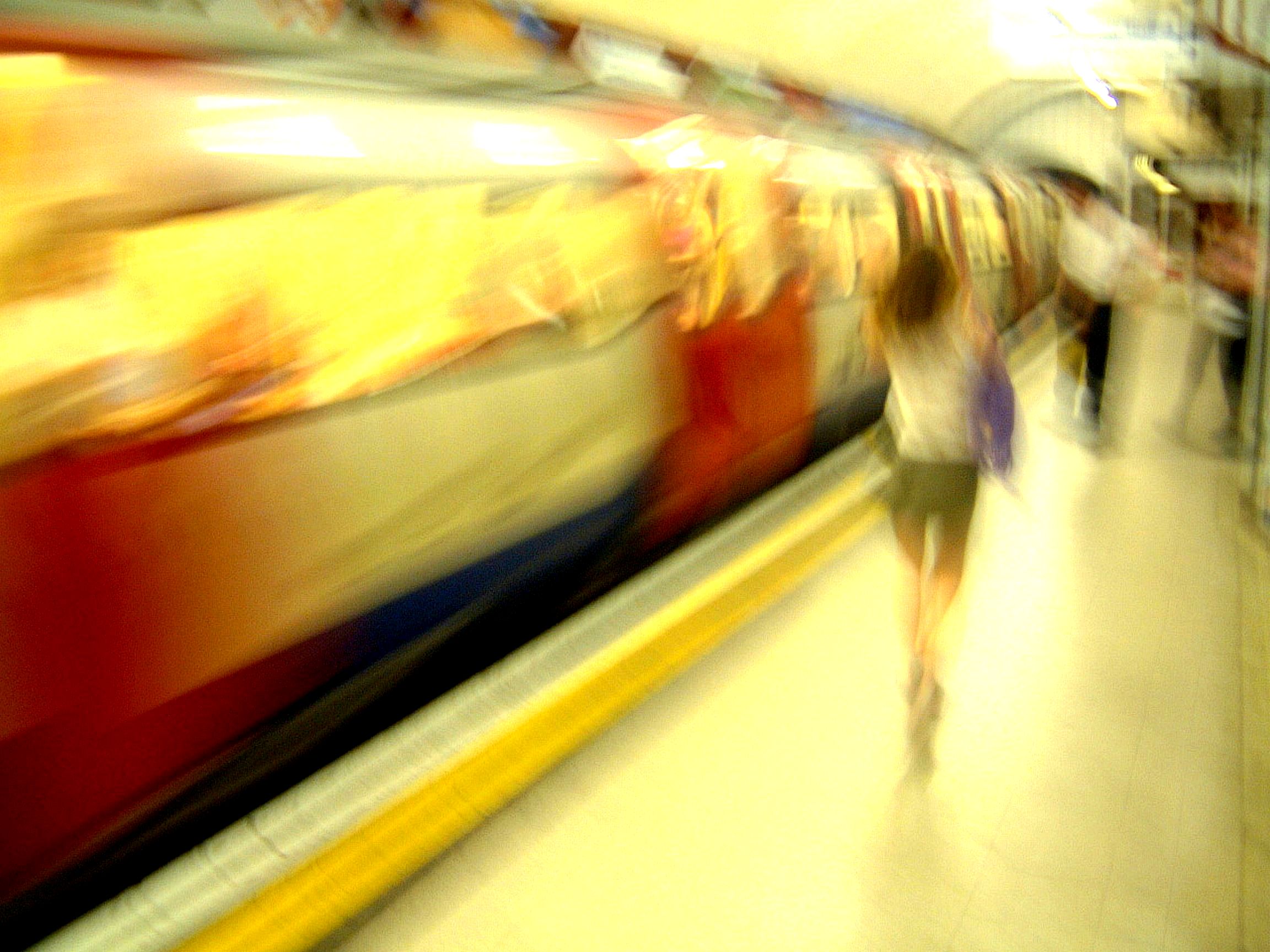
She walked past me. I was about to take the photograph when the train began to pull away. I didn’t want her to be out of range, an empty platform or to use zoom so I took the shot.
Words like ‘strange’, ‘offbeat’ and ‘lost’ would come to mind when I read my old diaries. I no longer have old diaries; at some indeterminate time themselves lost; nevertheless the words offbeat and lost because I was so frequently off the beaten track and had no idea where I was in a) the scheme of things, b) the Universe, c) my state of existence and d) the tree I’m still climbing.
So why the reference to old diaries? Because I recently came across the two surviving postcards of my 1969 travels in Europe. Pete, who then shared a room with me in London in South Kensington, and his brother Keith, asked if they could join me on my intended hitchhiking trip around Europe.
My intention was simple. It was to visit every destination mentioned by Peter Sarstedt in his song, Where Do You Go To My Lovely.
I never got to St. Moritz.
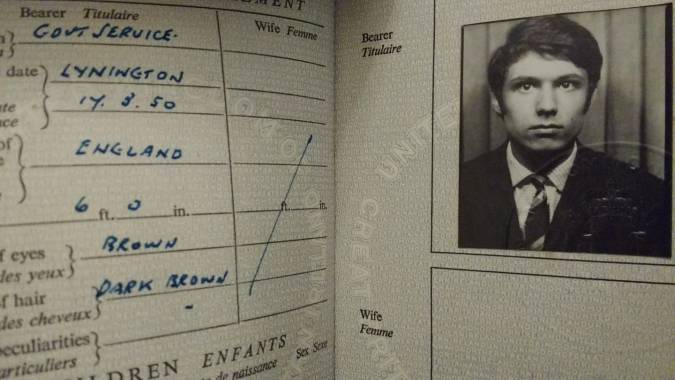
My passport, issued 8th July 1969 and incorrectly showing my place of birth as Lymington when I was born at home in Lyndhurst.
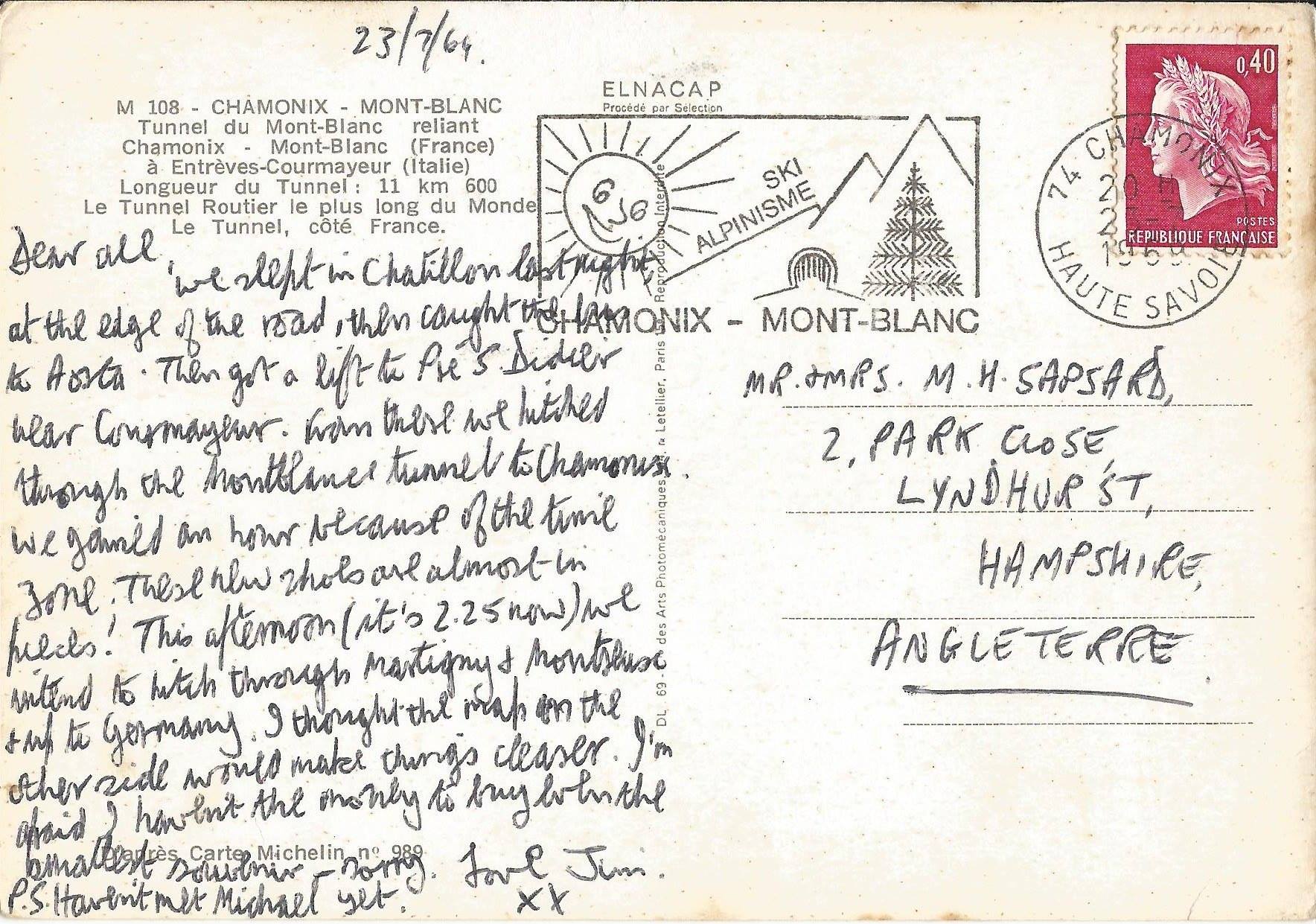
The first postcard, written on 23rd July 1969 and bearing a French postage stamp.
Chamonix-Mont-Blanc, Rhone-Alpes, France.
23/7/69
Dear all,
we slept in Chatillon last night, at the edge of the road, then caught the bus to Aosta. Then got a lift to Pré S. Didier near Courmayeur. From there we hitched through the Montblanc Tunnel to Chamonix. We gained an hour because of the time zone. These new shoes are almost in pieces! This afternoon (it’s 2.25 now) we intend to hitch through Martigny & Montreux & up to Germany. I thought the map on the other side would make things clearer. I’m afraid I haven’t the money to buy even the smallest souvenir – sorry. Love Jim xx P.S. Haven’t met Michael yet.
(My brother was hitchhiking around Europe at the same time. I believe we may have been in the same street on the same day but never saw each other.)
Chamonix-Mont-Blanc, Rhone-Alpes, France.
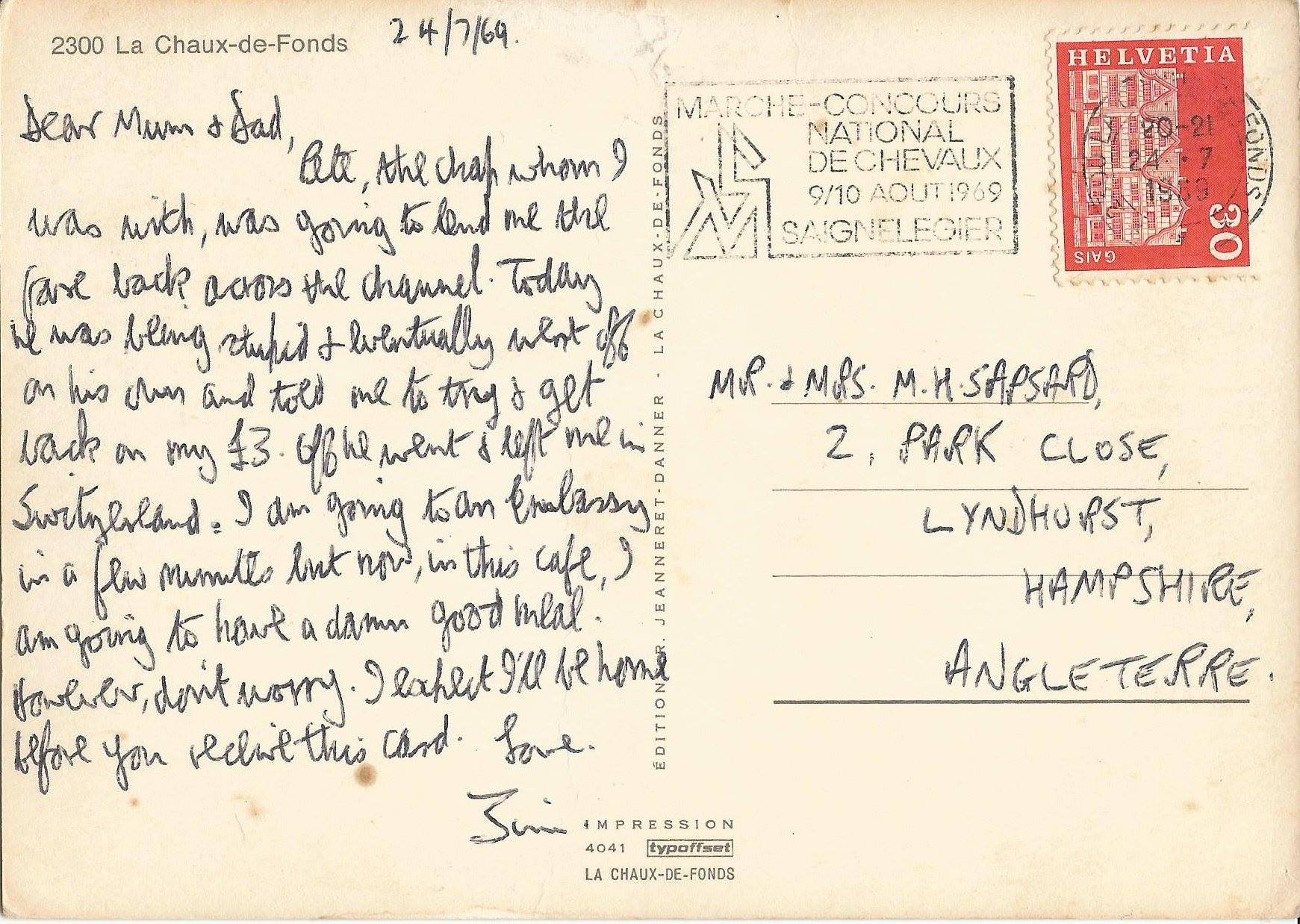
The second, written the following day on 24th July 1969, bearing a Swiss postage stamp. Oh fickle fortune!
La Chaux-de-Fonds, Switzerland.
24/7/69
Dear Mum & Dad,
Pete, the chap whom I was with, was going to lend me the fare back across the Channel. Today he was being stupid & eventually went off on his own and told me to try & get back on my £3. Off he went and left me in Switzerland. I am going to an Embassy in a few minutes but now, in this café, I am going to have a damn good meal. However, don’t worry. I expect I’ll be home before you receive this card. Love, Jim.
La Chaux-de-Fonds, Switzerland.
A few months before these postcards came to light, my daughters found the photographs from my trip. I’d lent the negatives to Pete on my return to London and he never returned them.
My camera was a Brownie Cresta II introduced 1956 and discontinued 1959.
Film size: 120
Picture size: 2 1/4″ X 2 1/4″
Manufactured: UK
Lens: Kodet f/11 Fixed Focus With Close up Lens
Shutter: Single Speed 1/40 Second
As far as I recall, I had a partially used, 12 exposure, roll of film in the camera and two spare rolls of 12 exposures each. The only image I recall that is missing is one of a bridge taken at night which was too dark an exposure – and I may have discarded it. Because of the limited amount of film, the camera was used to take photos of the three of us and landscape scenes rather than people. With fixed camera settings and limited film, I paid some attention to composition when I was taking the photograph. Until I returned to England and had the photos developed, I had no idea of how they would turn out.
This was my camera.
Twenty five photos made it.
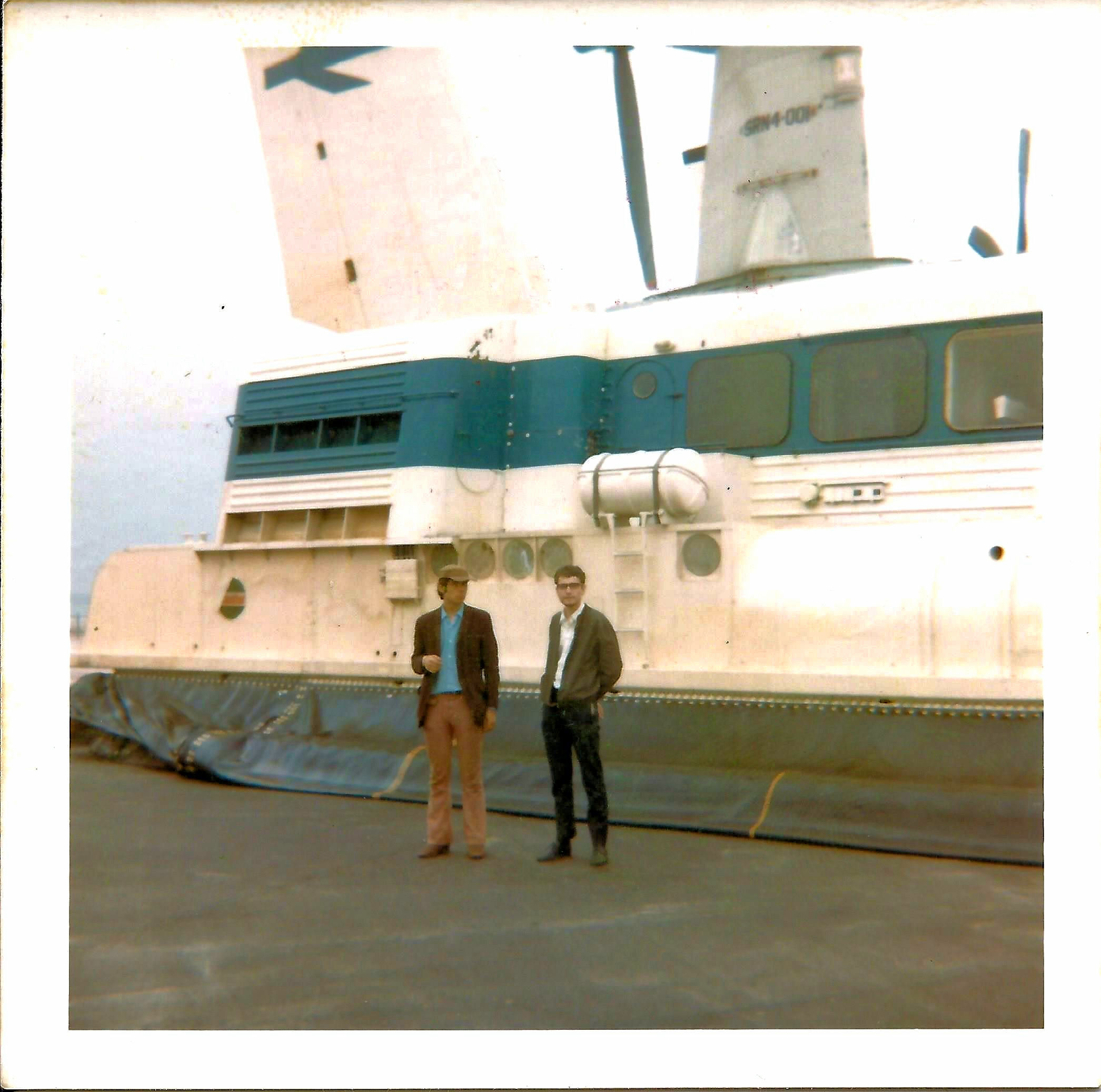
Hovercraft leaving Dover. Keith and Pete. 12th July 1969.
Hovercraft arrived Boulogne-sur-Mer. Me with Keith. 12th July 1969.
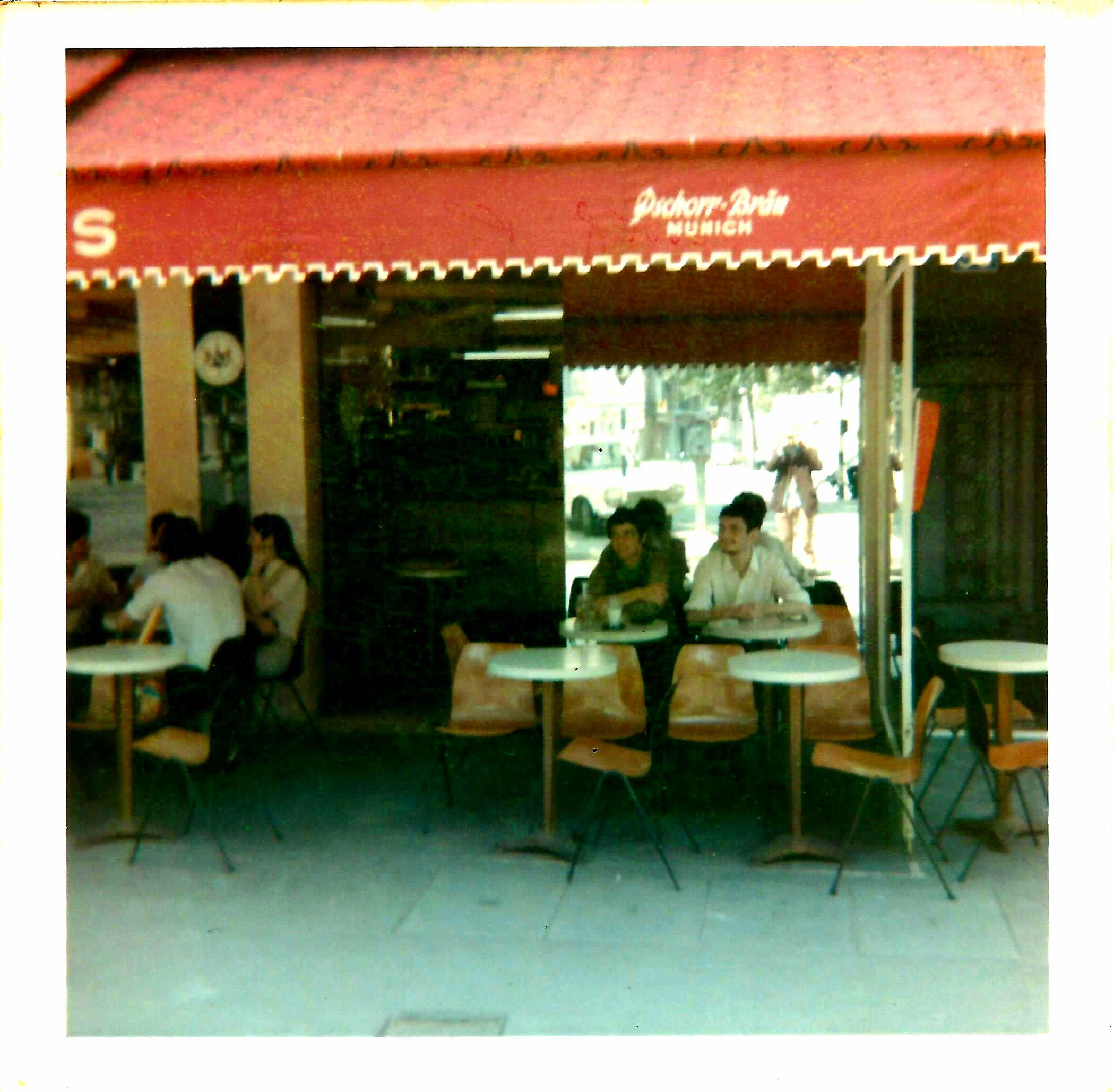
Keith and Pete in a café in Ave. de Neuilly, Paris. 13th July 1969.
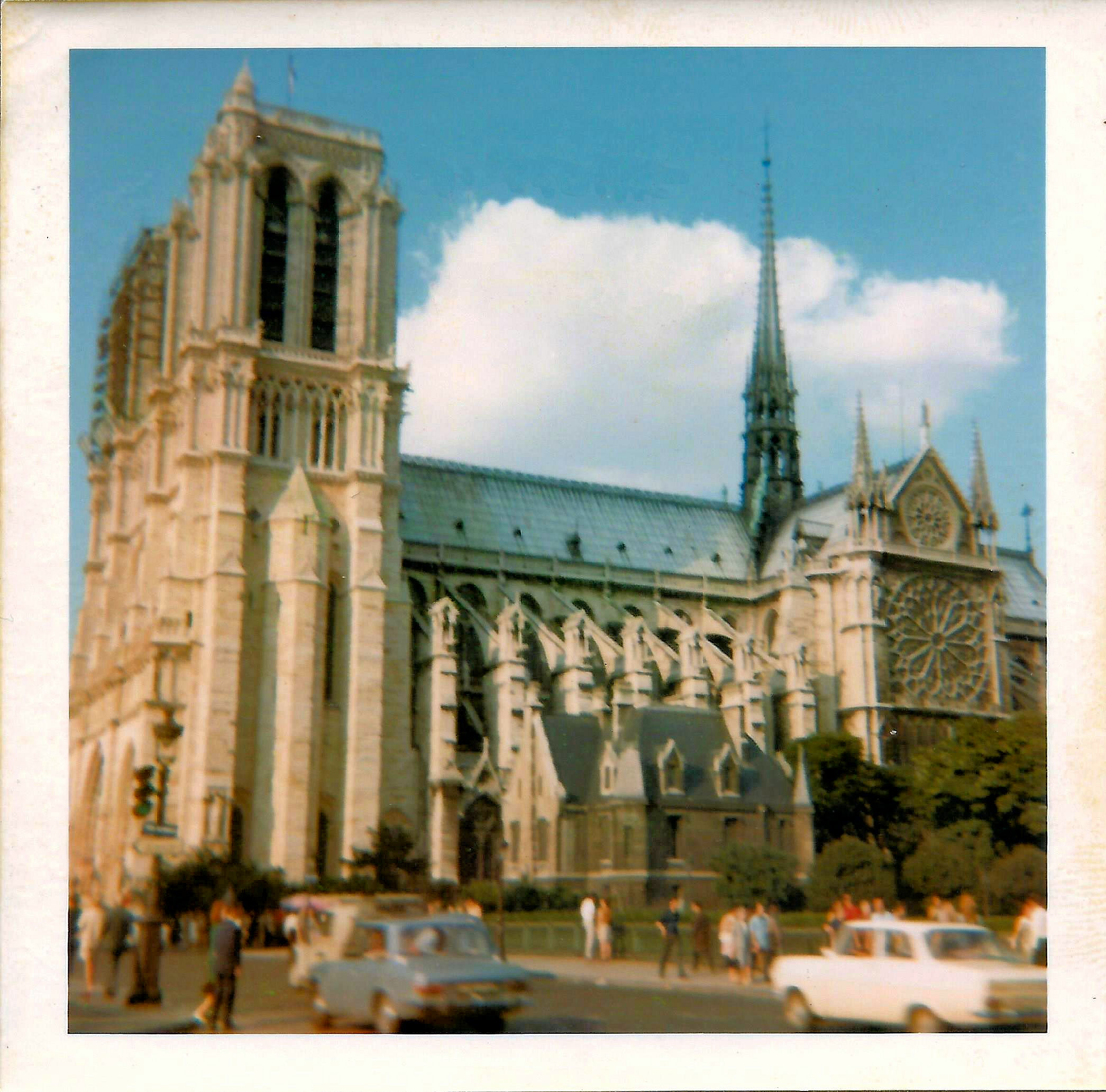
Cathédrale Notre-Dame de Paris. 13th July 1969.
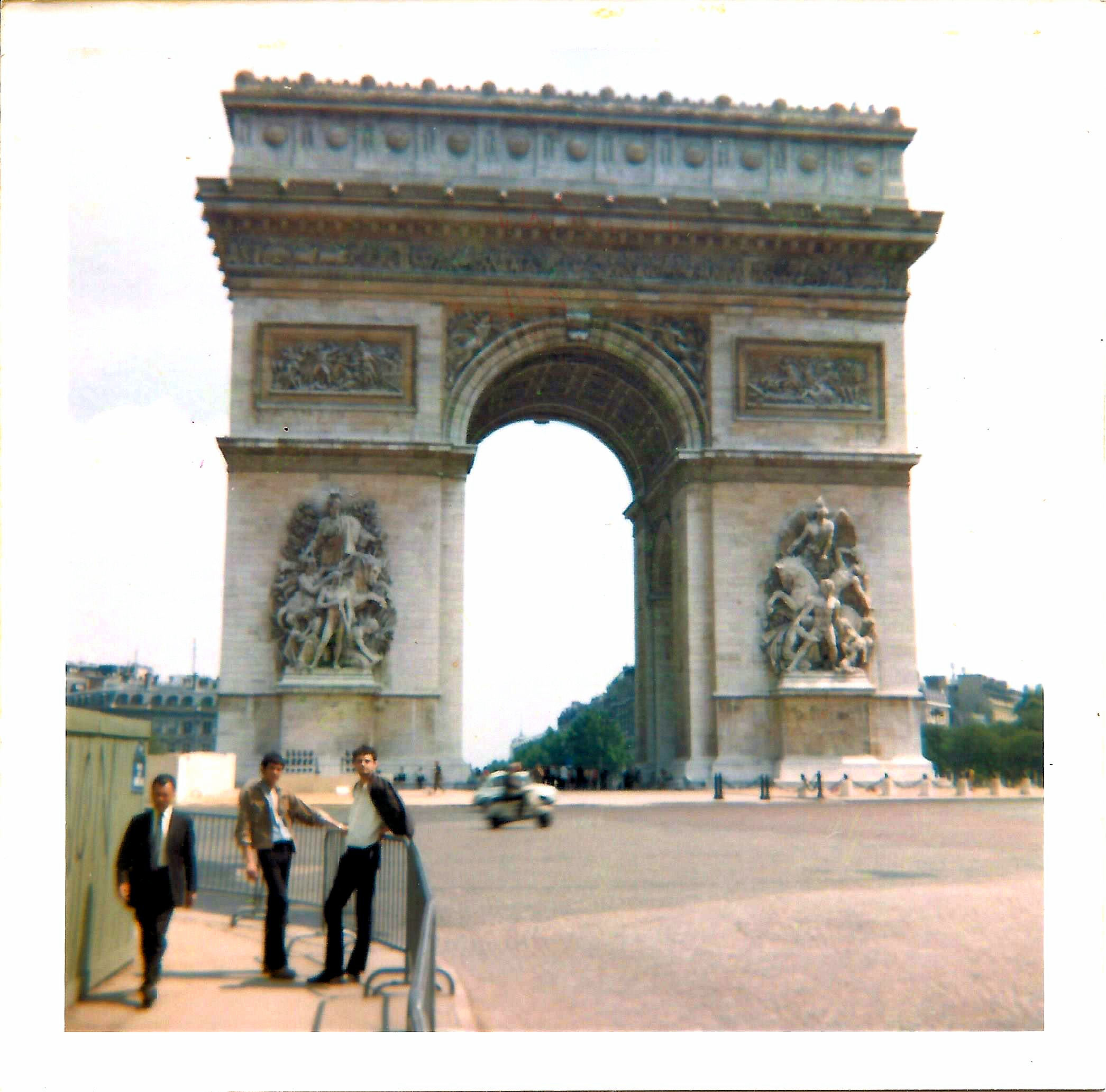
With Keith and Pete at L’Arc de Triomphe. 13th July 1969.
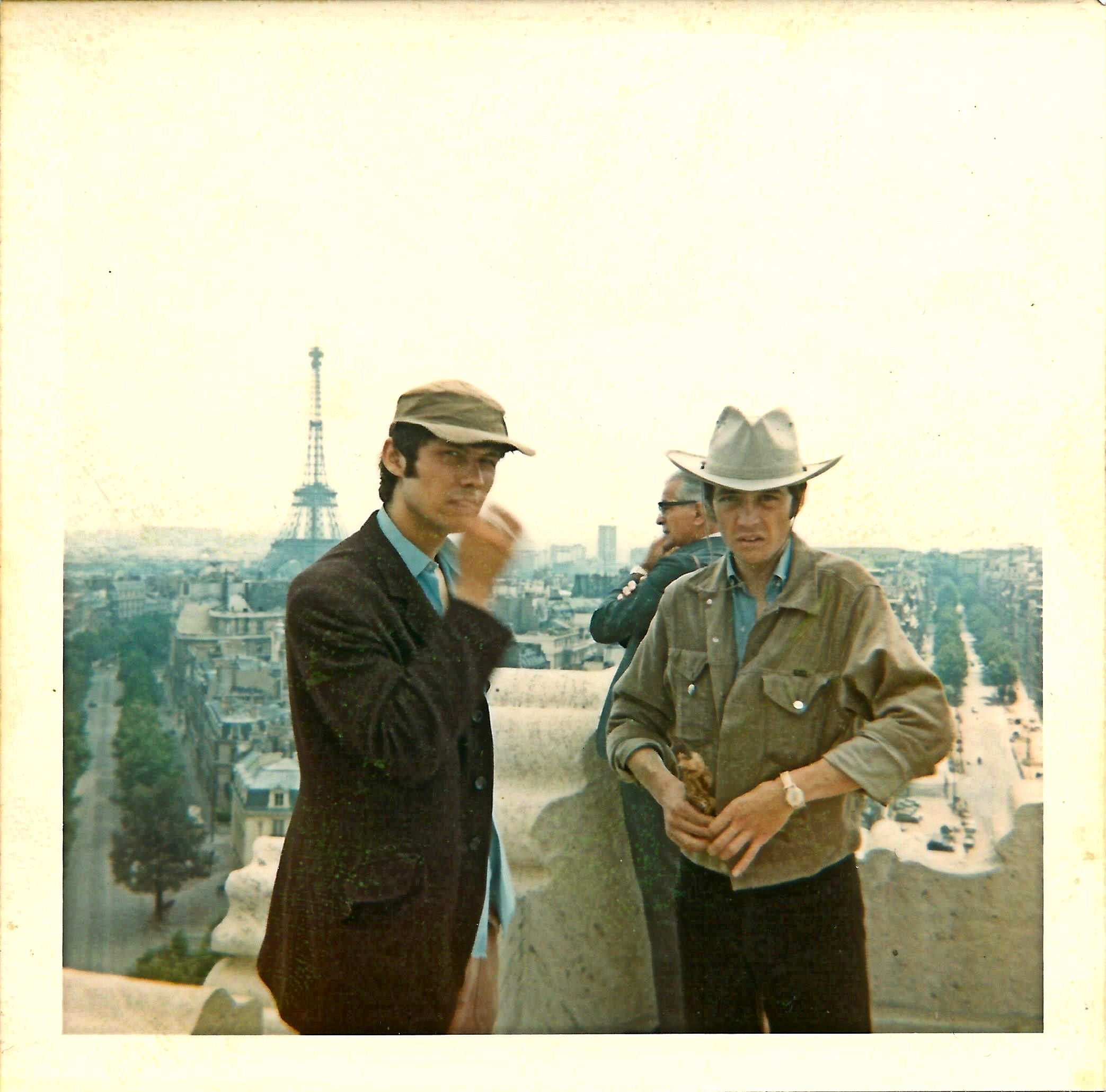
On L’Arc de Triomphe with Pete. 13th July 1969.
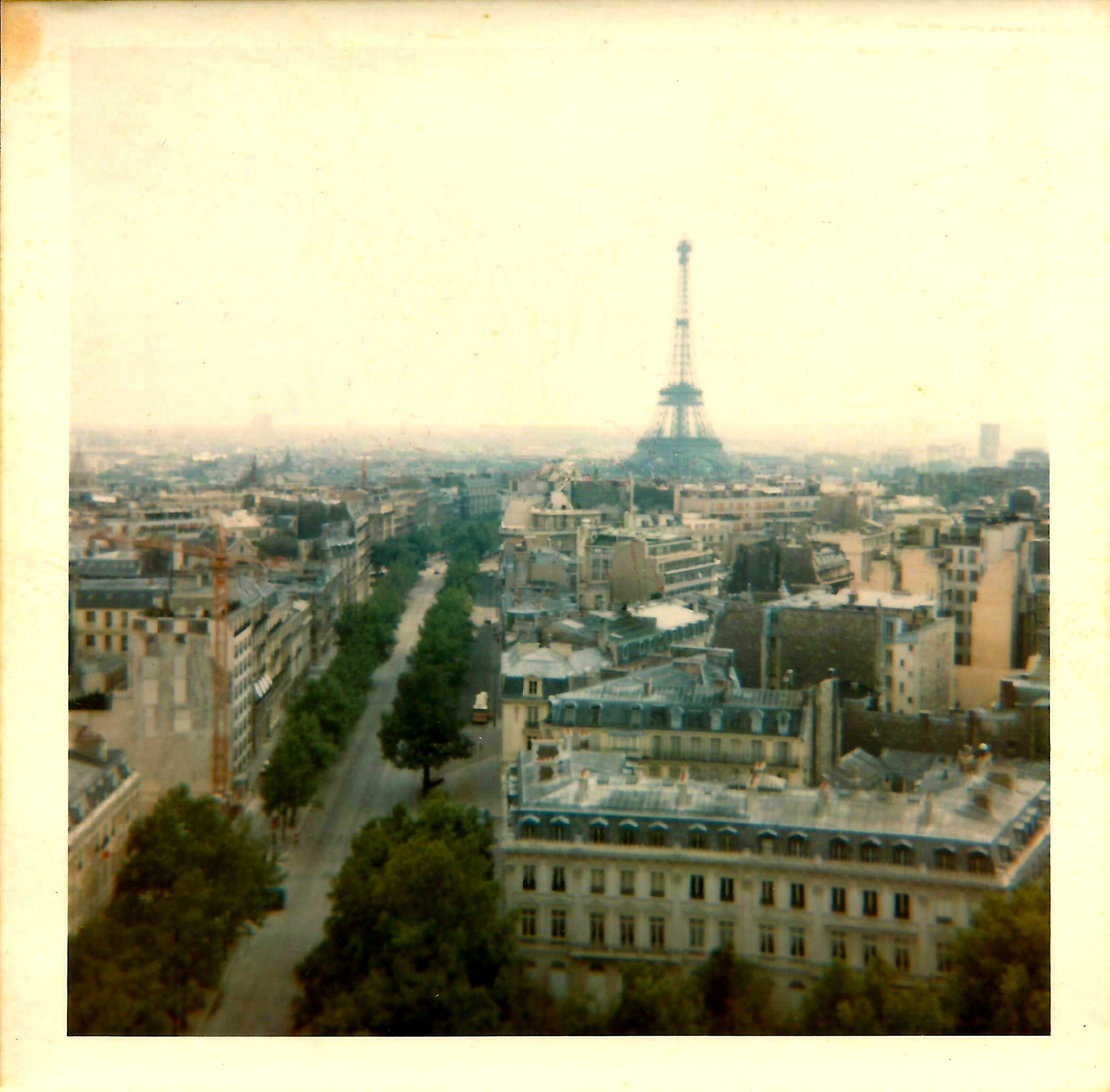
Le Tour Eiffel from L’Arc de Triomphe. 13th July 1969.
Le Tour Eiffel with Keith. 13th July 1969.
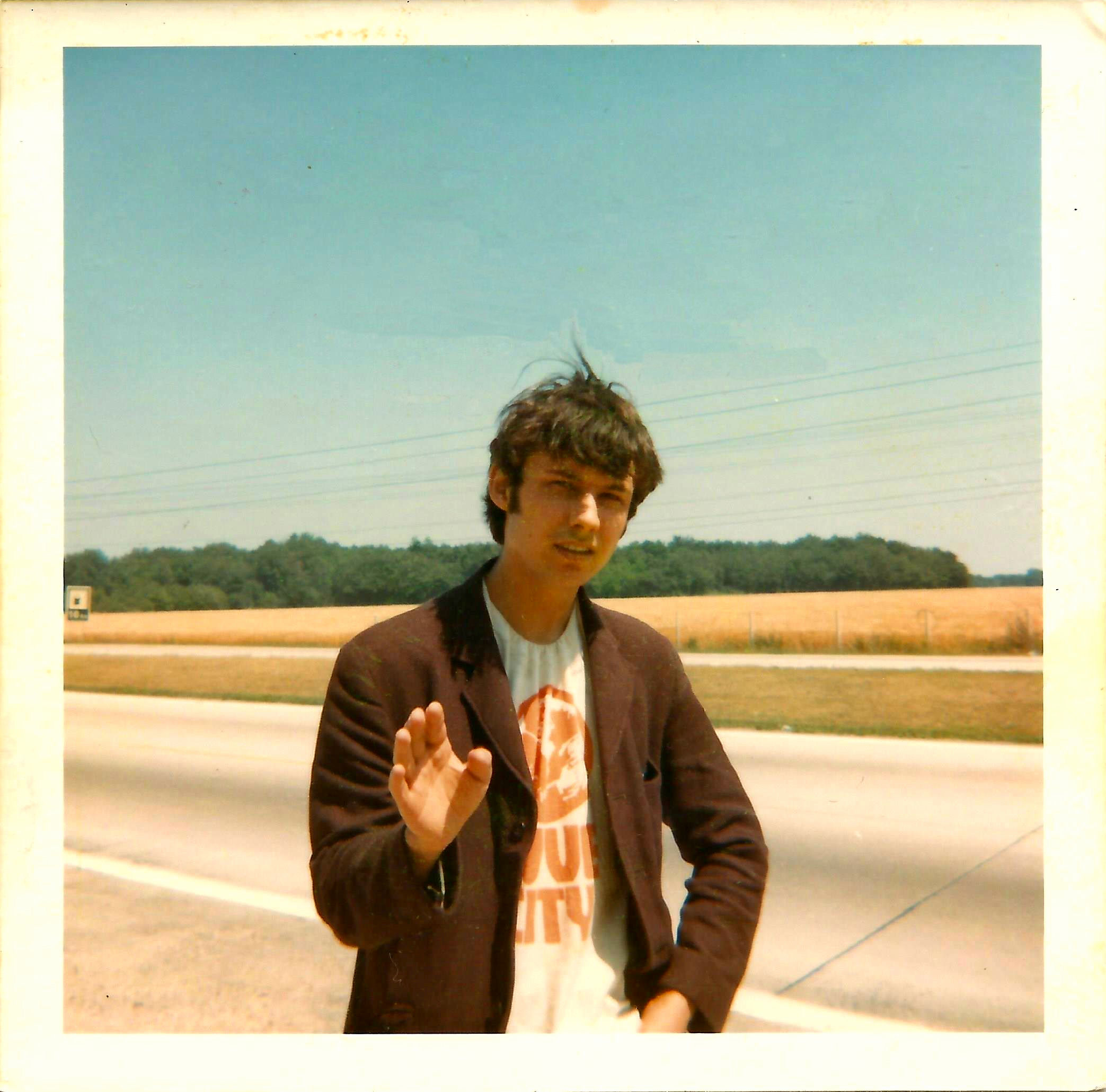
Me on the N7 near Sainte-Radegonde, Picardie, France. 15th July 1969, wearing my LOVE CITY T-shirt, bought from Private Eye Magazine.
Pete and Keith opposite the shelter we slept in. 6 a.m. 16th July 1969.
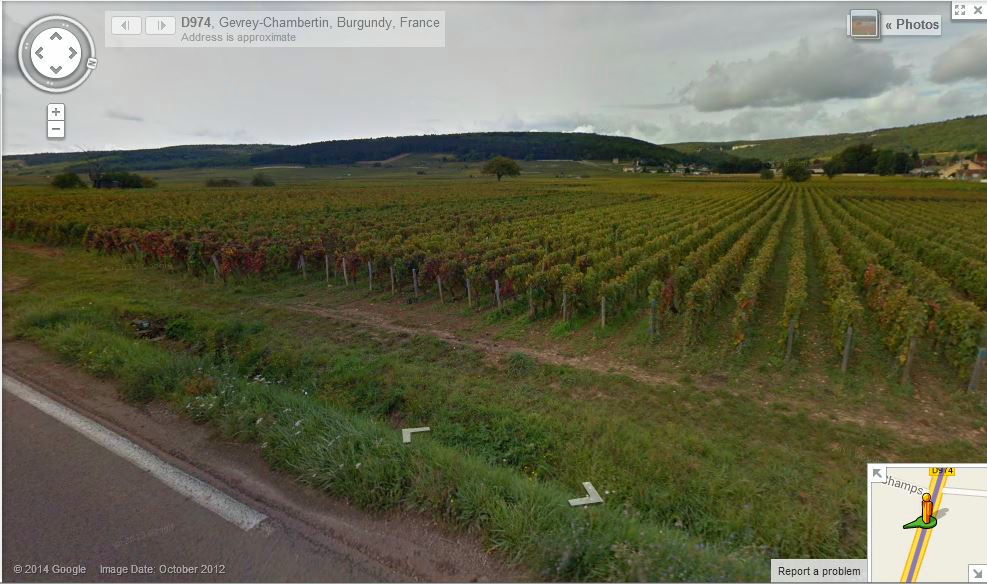
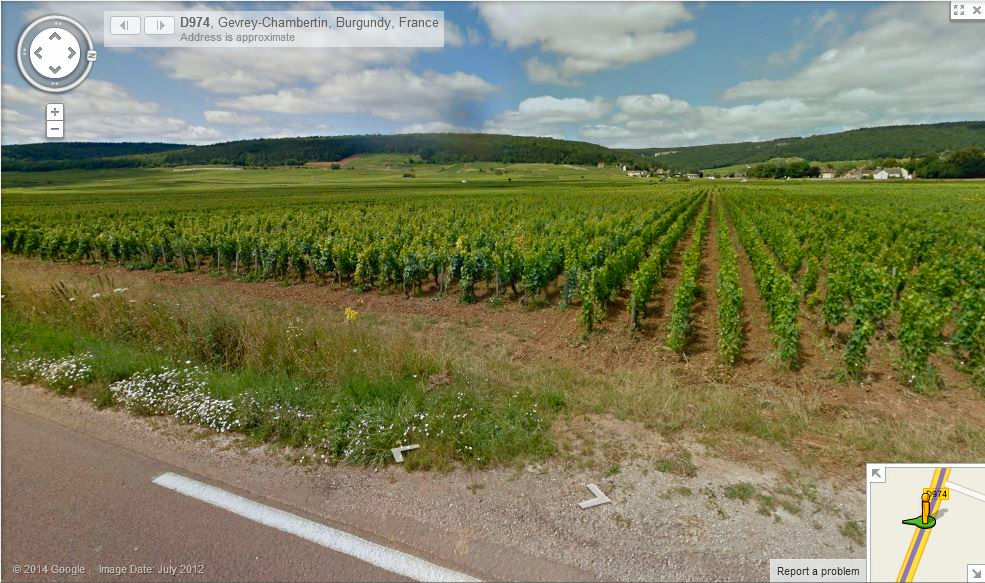
The N74 has been renamed the D974 but nevertheless I looked for this signpost on Google street view. I found the spot, recognisable from the hills in the background, the signpost presumably long gone.
The D974 at Gevrey-Chambertin, Burgundy – 1
The D974 at Gevrey-Chambertin, Burgundy – 2
Pete, just after Montélimar, 160 km. from Marseille. Keith split today. 17th July 1969.
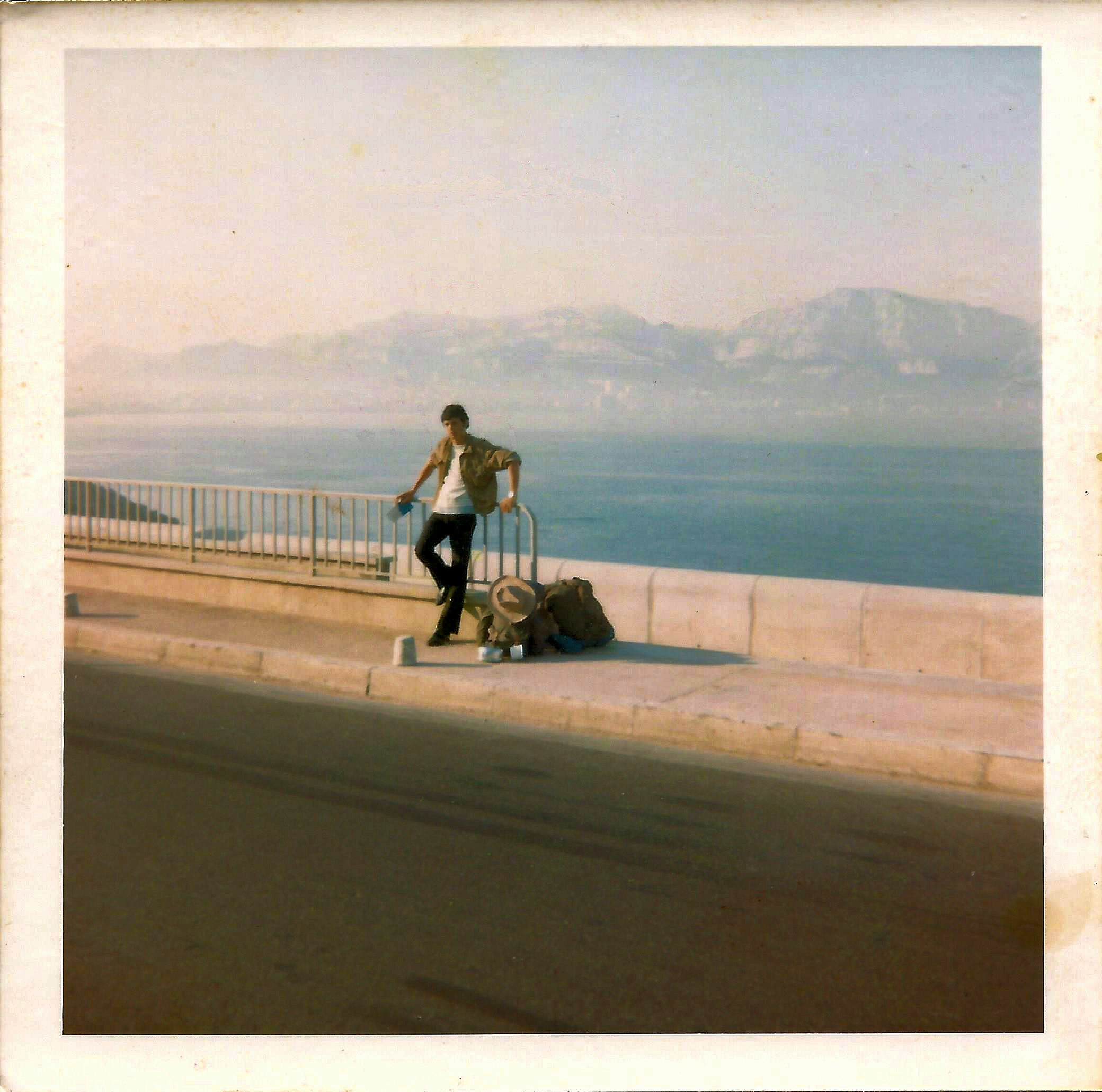
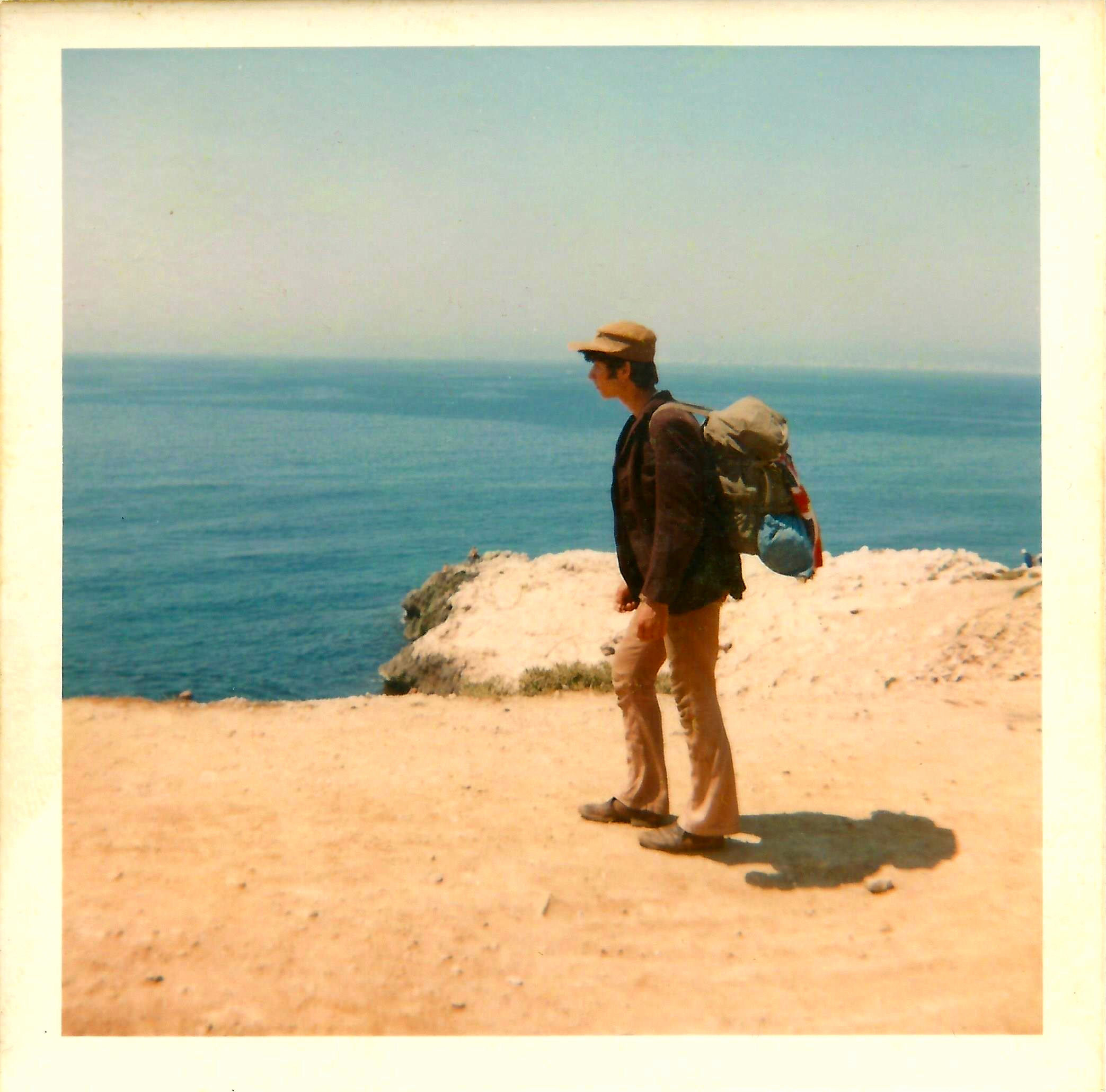
Pete, as we approach La Plage, Marseille, on what is now Corniche du Président John F Kennedy, Marseille. 7 a.m. 18th July 1969.
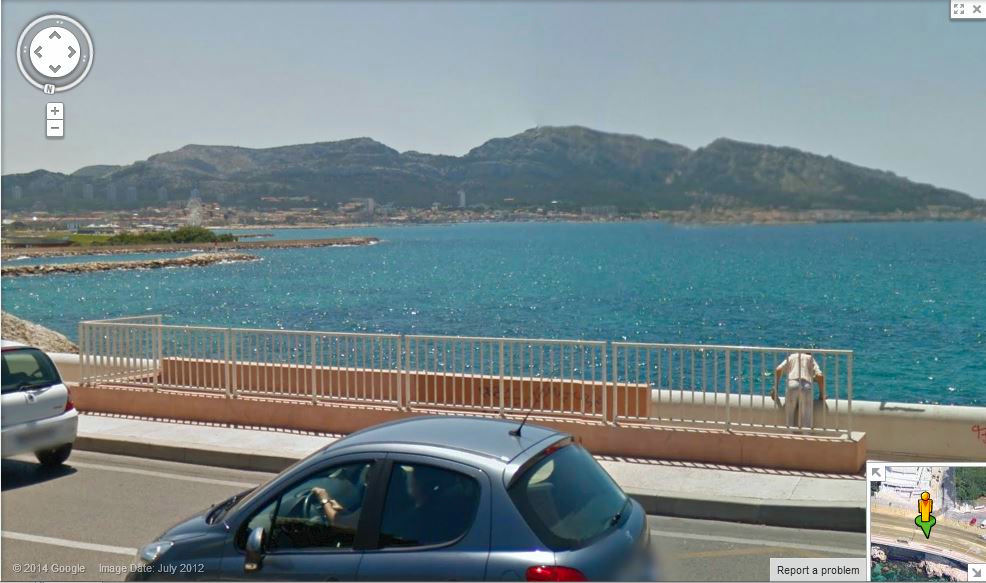
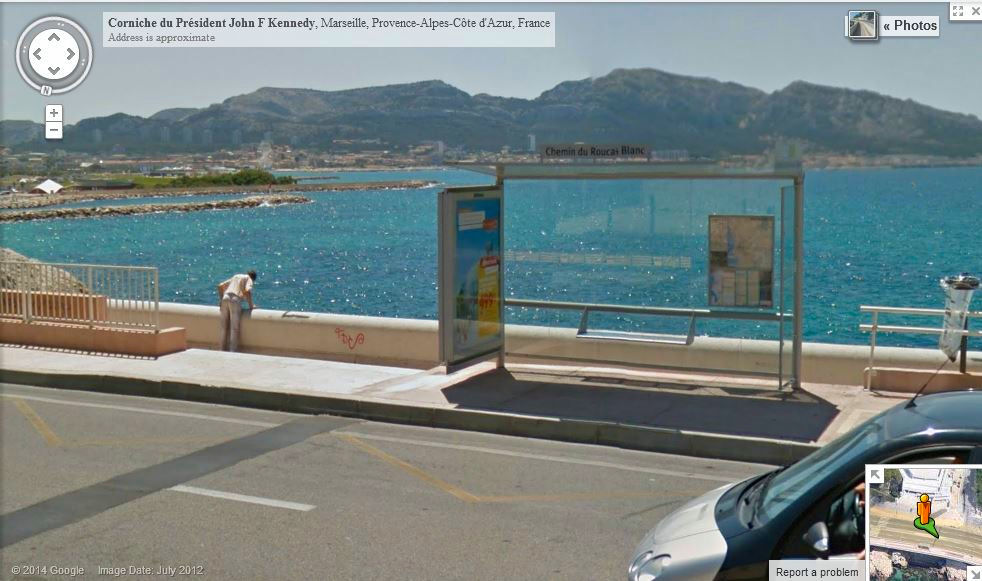
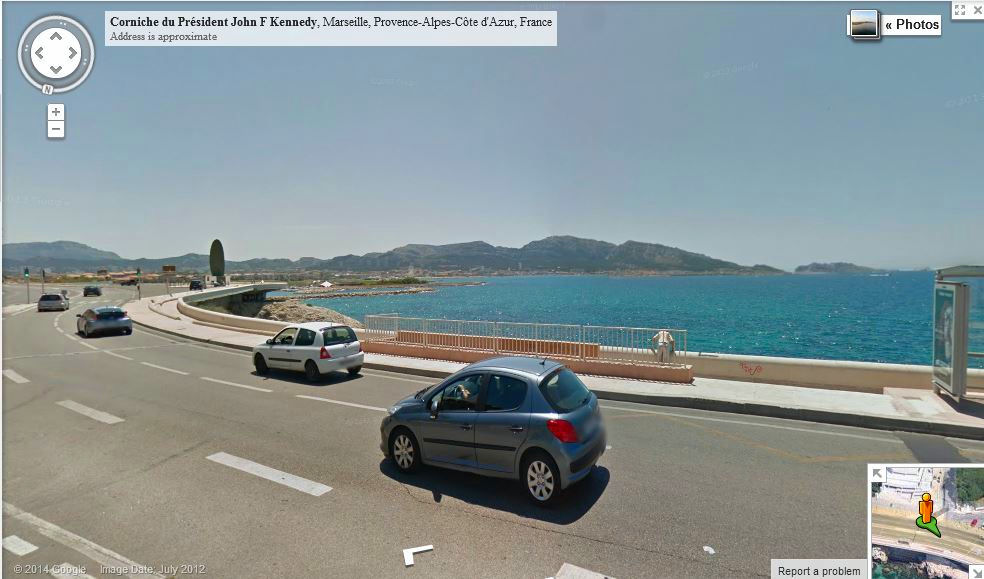
I looked for this location on Google street view knowing only that we were near Marseille. I found it and that’s how I learned the name of the location.
Corniche du Président John F Kennedy, Marseille – 1
Corniche du Président John F Kennedy, Marseille – 2
Corniche du Président John F Kennedy, Marseille – 3
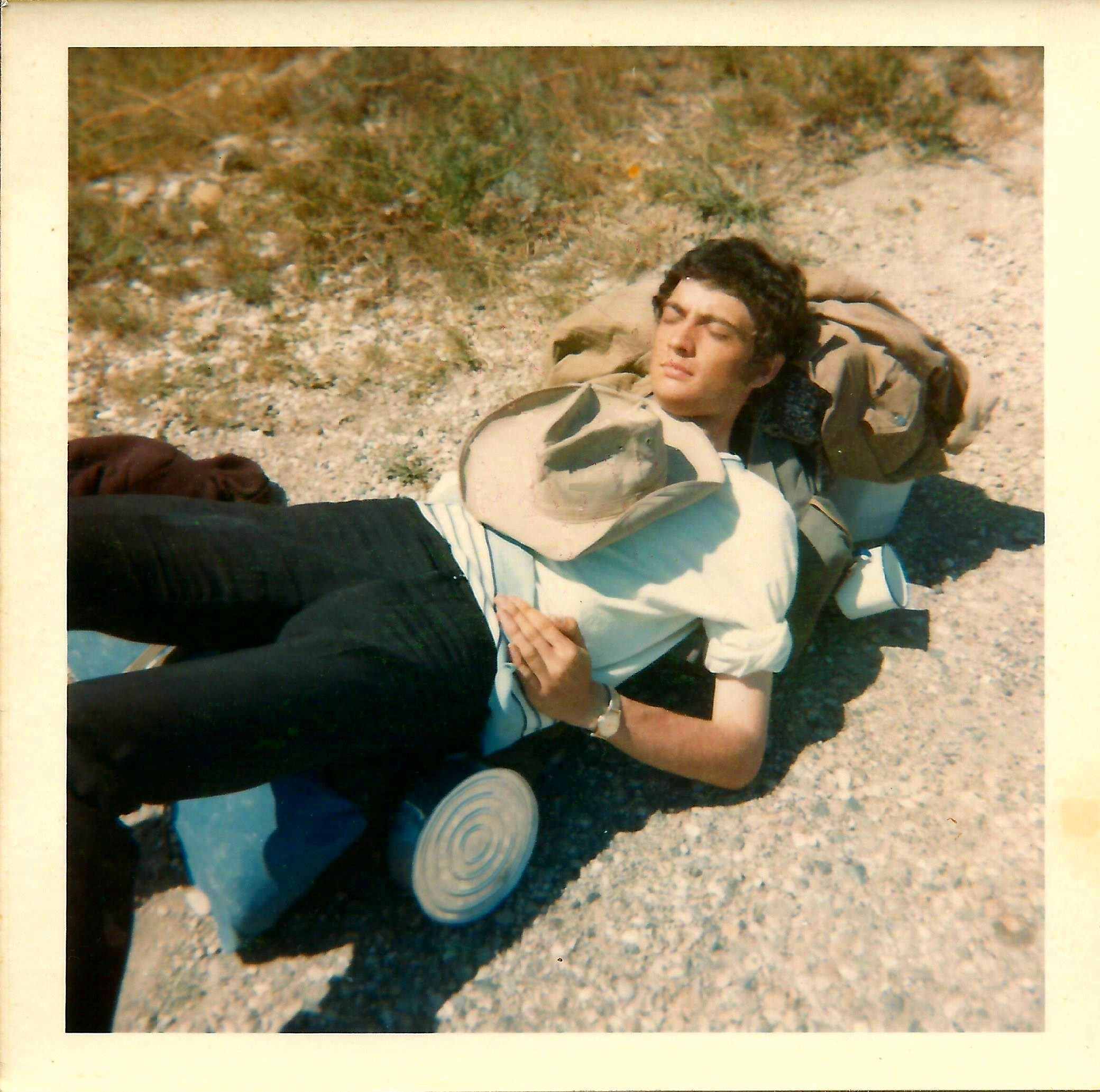
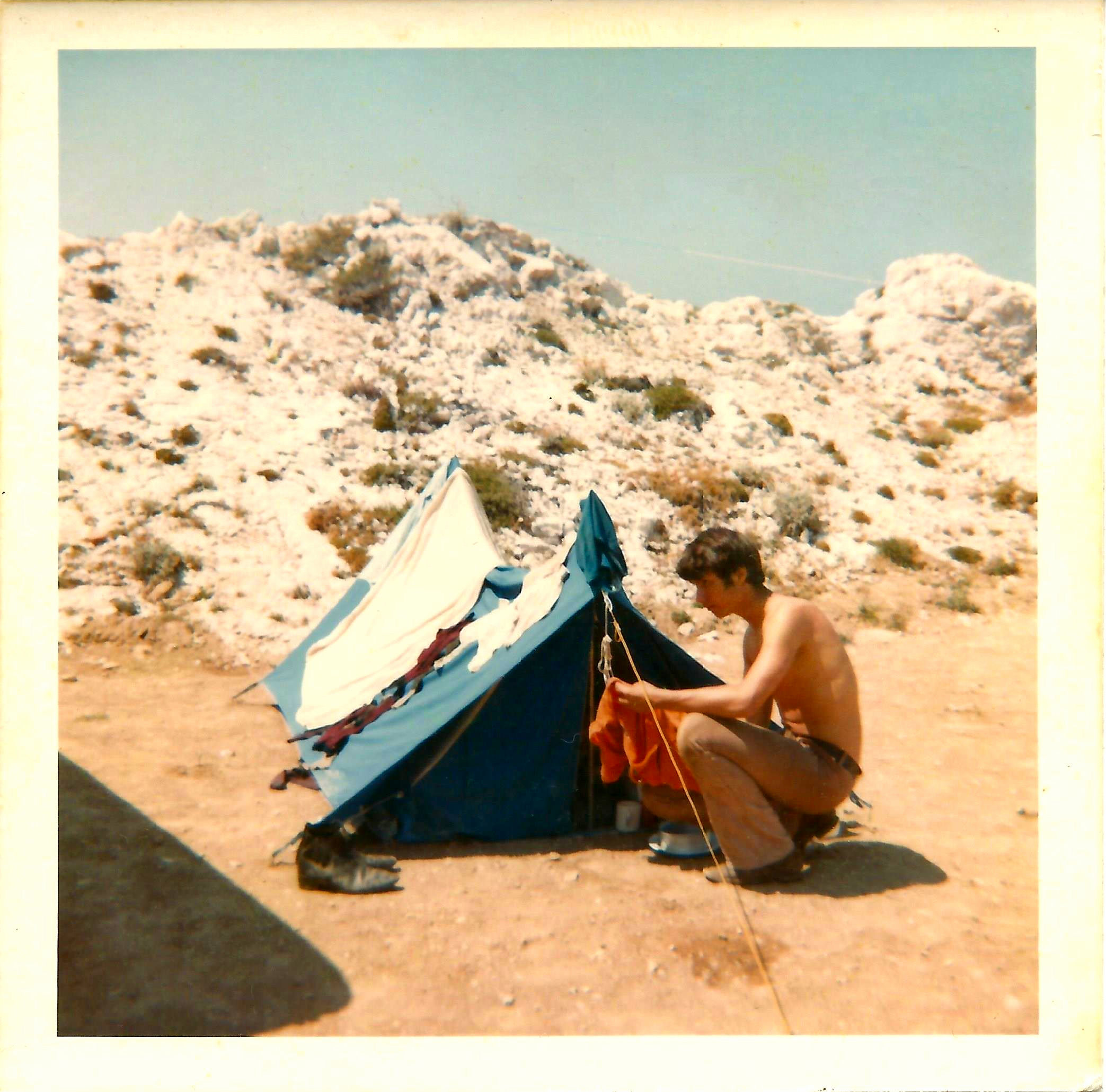
Pete at clifftop campsite, Marseille. 19th July 1969.
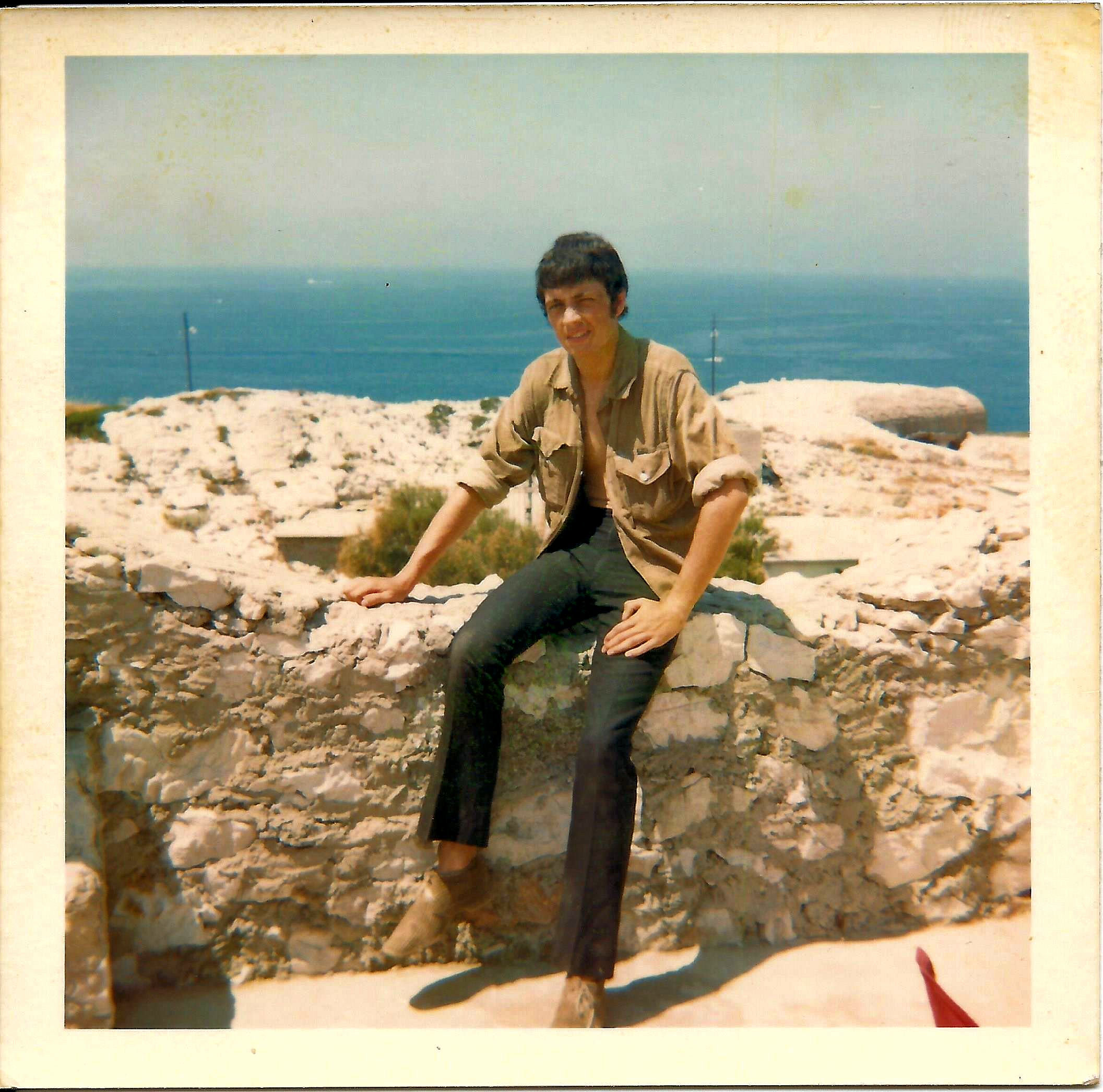
Me at our clifftop campsite, Marseille, in my pale blue jeans which I’d dyed orange after a girl I knew from school had put in side panels to turn them into flares. 19th July 1969.
Me leaving Marseille campsite. 19th July 1969.
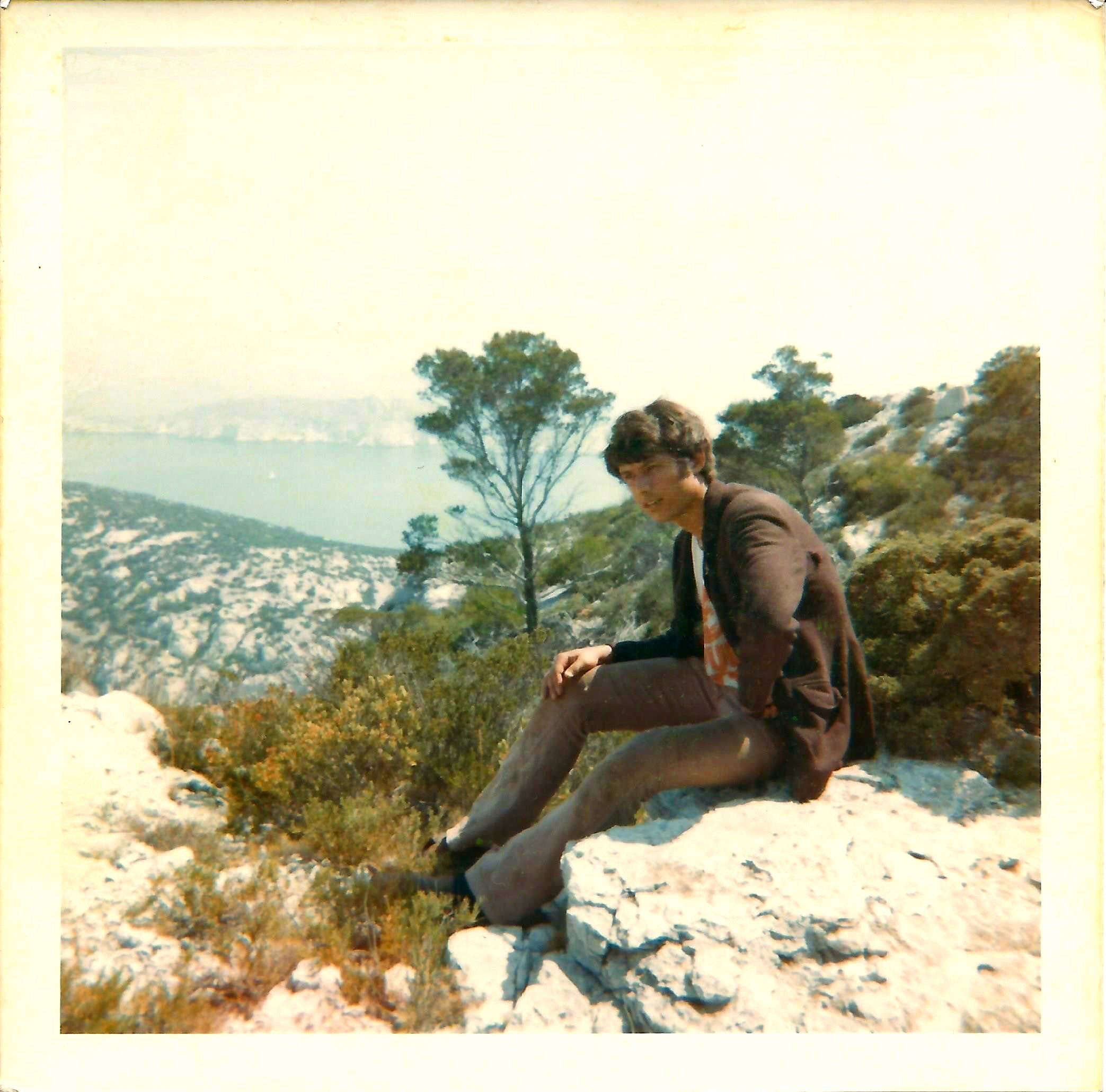
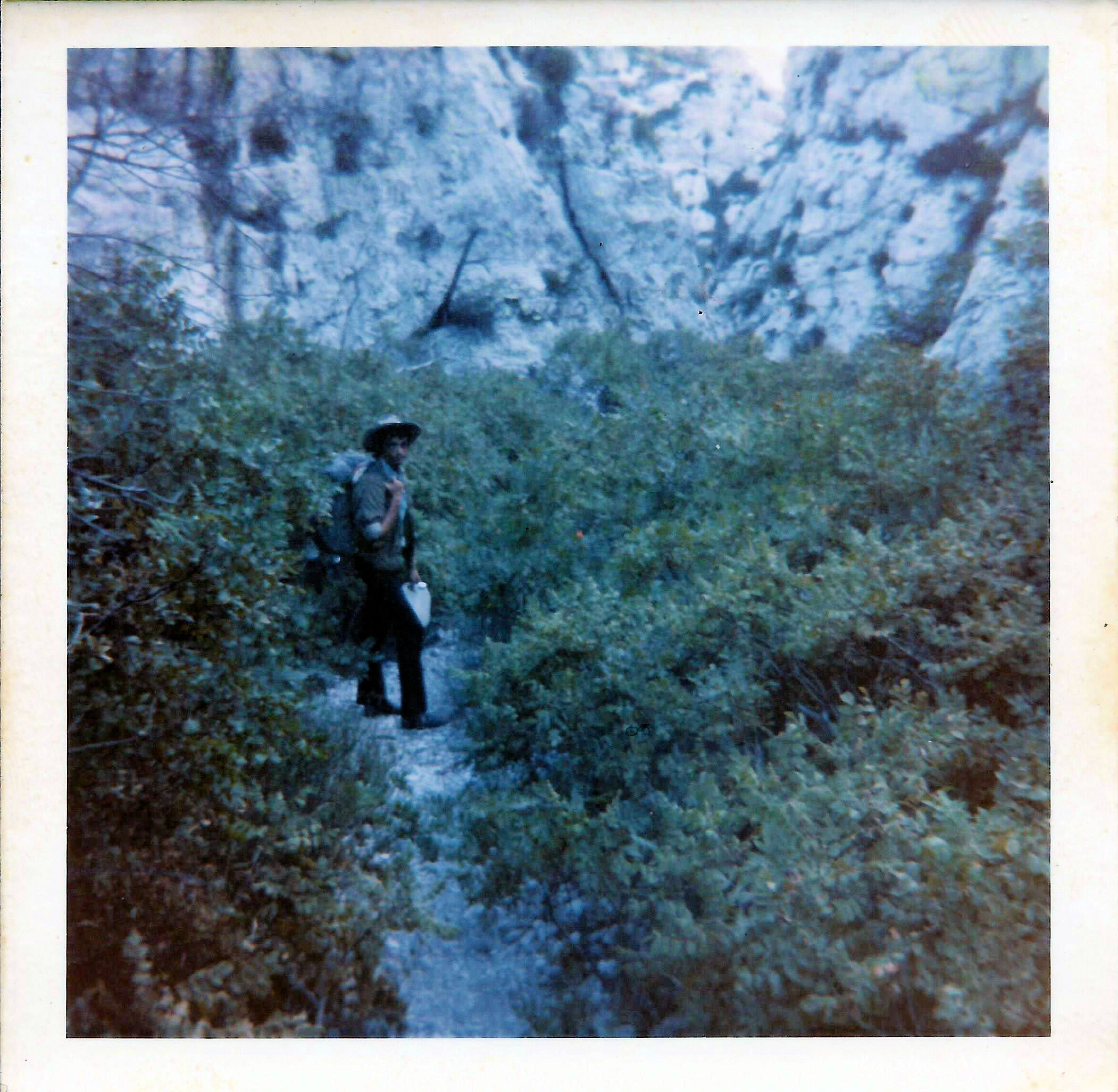
Me in the hills of Marseille. 19th July 1969.
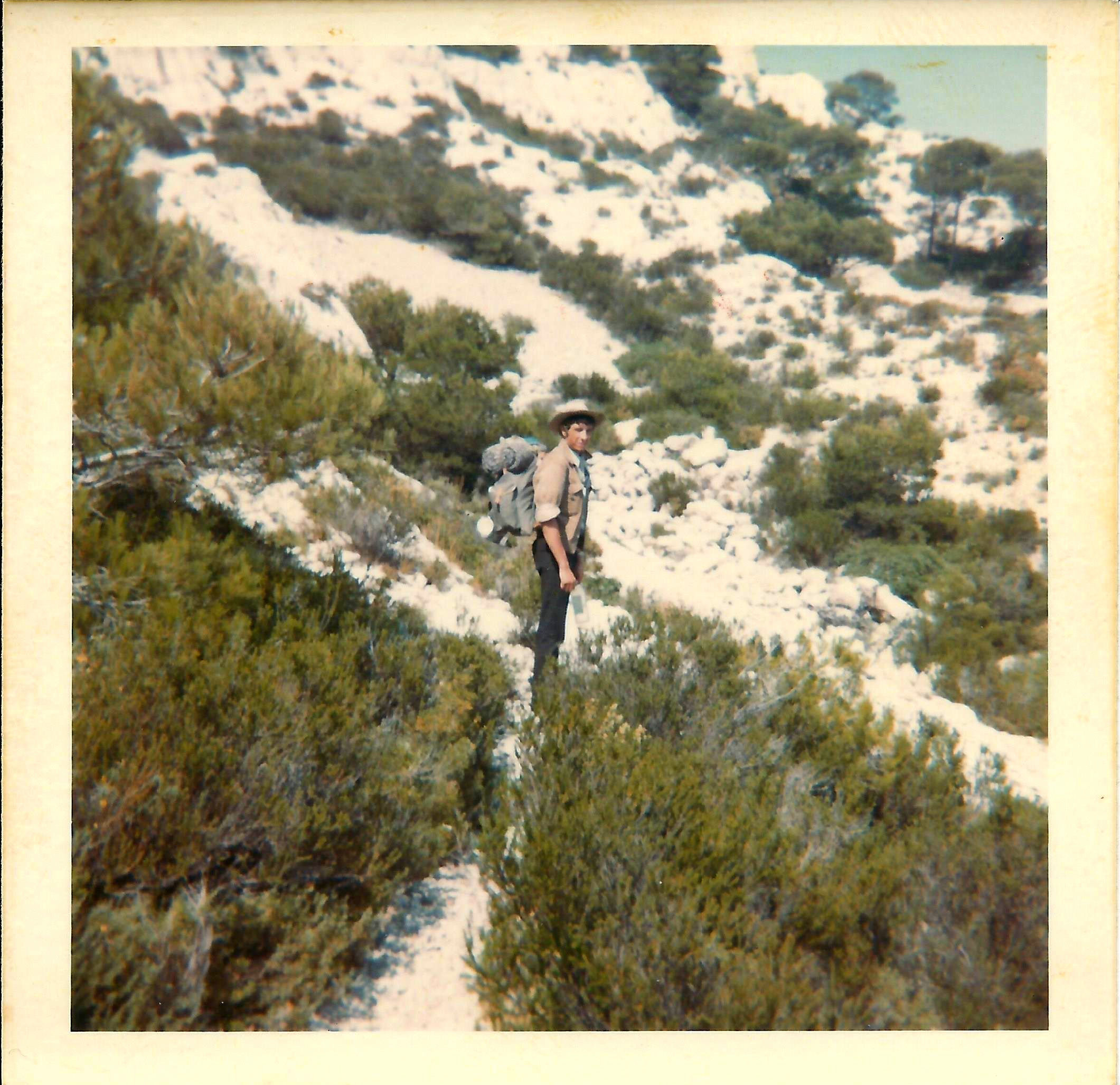
Pete in the hills of Marseille on the hike to Cassis. 19th July 1969.
Pete in the hills of Marseille on the hike to Cassis in shadow. 19th July 1969.
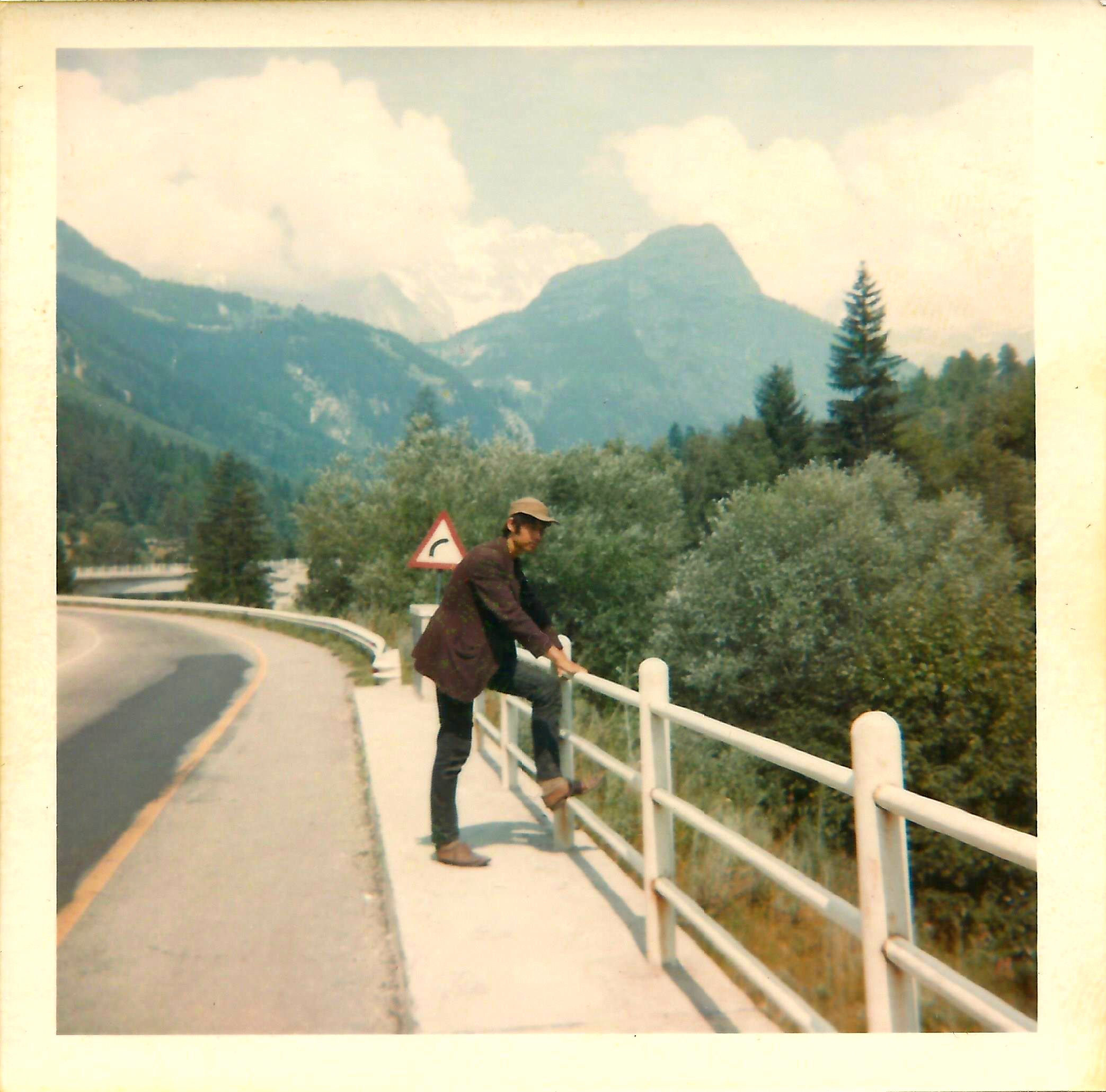
Me with Mont Blanc from the Italian side of the Tunnel. 23rd July 1969.
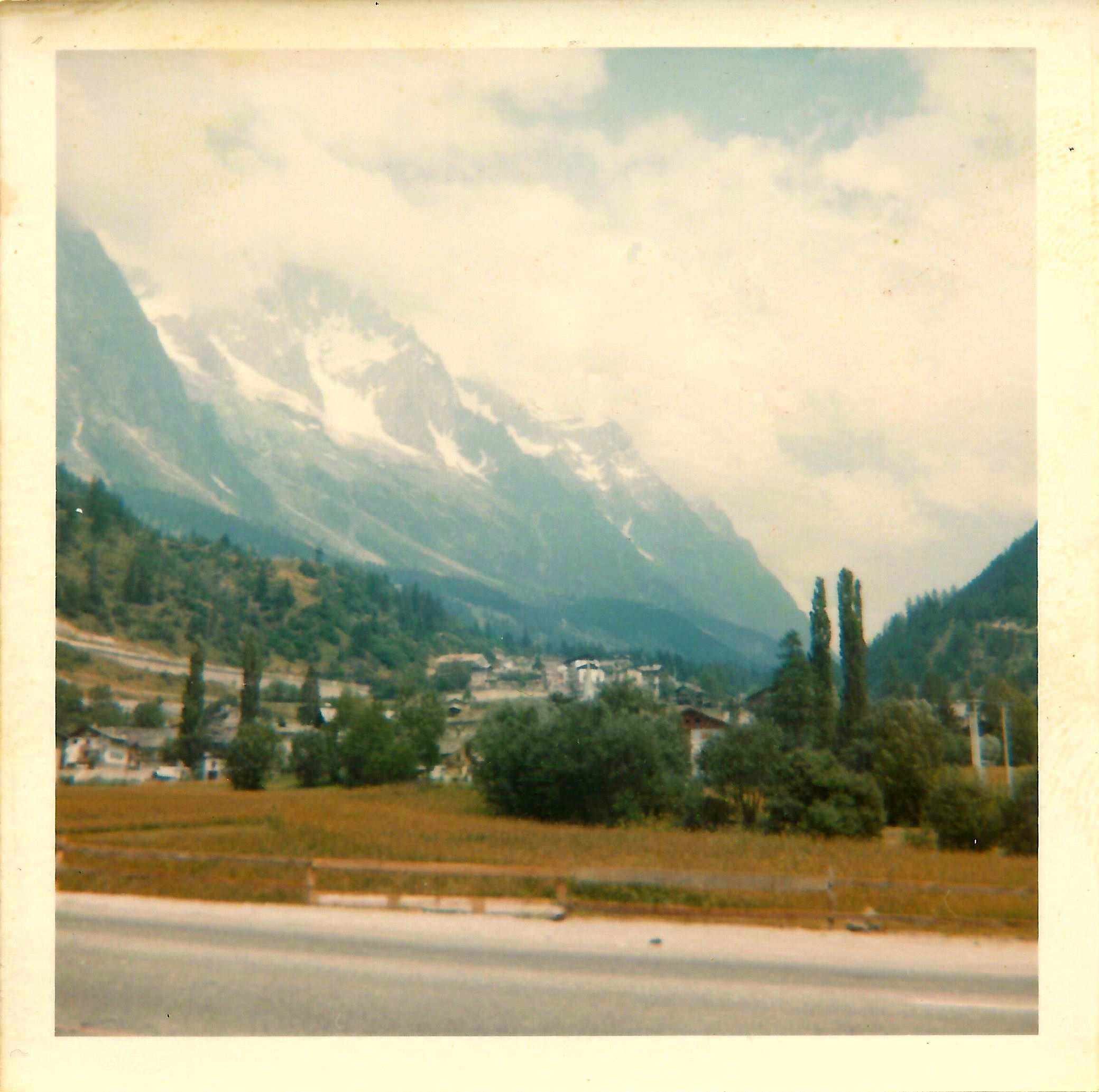
Mont Blanc from Italy – 1. 23rd July 1969.
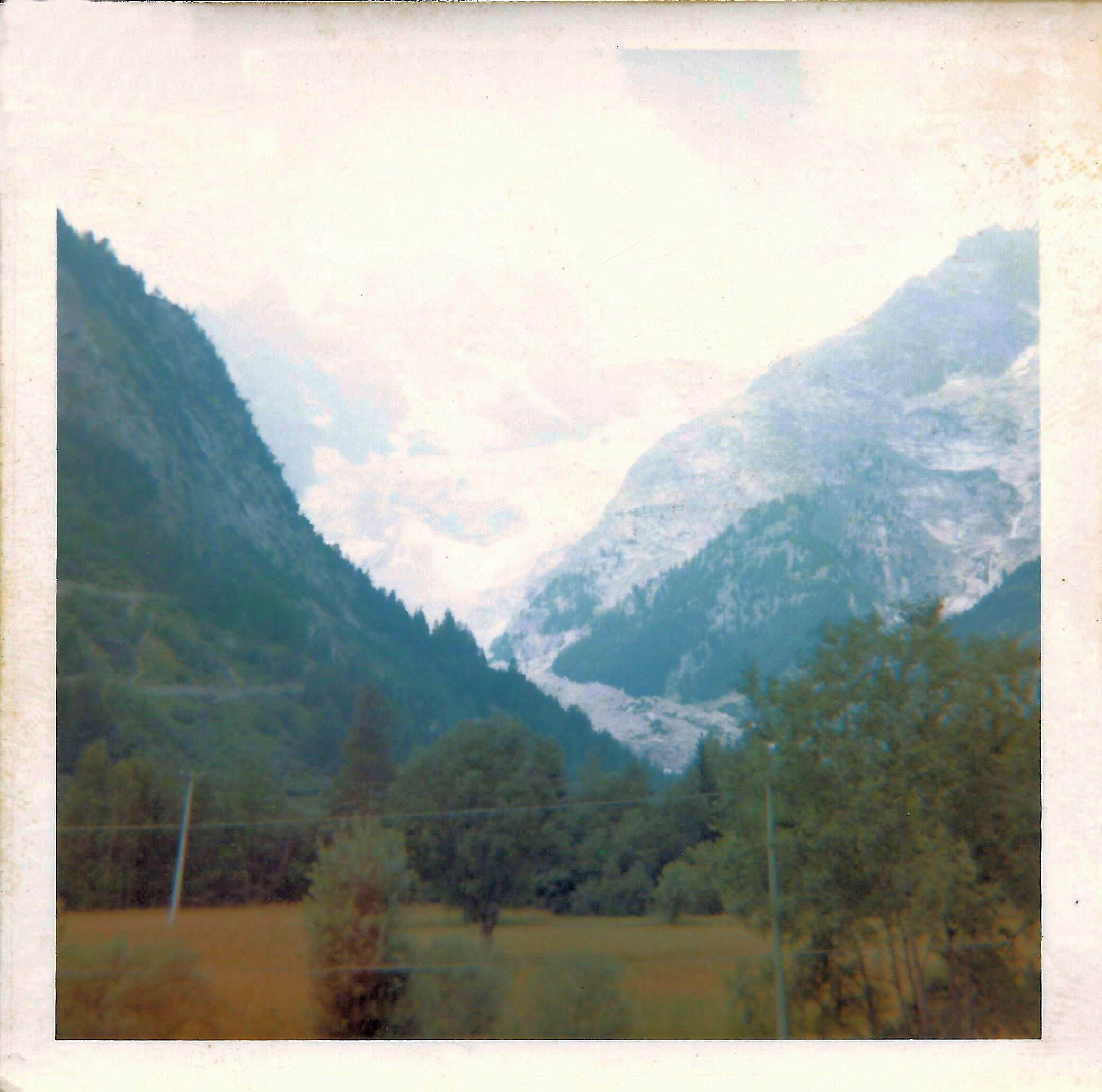
Mont Blanc from Italy – 2. 23rd July 1969.
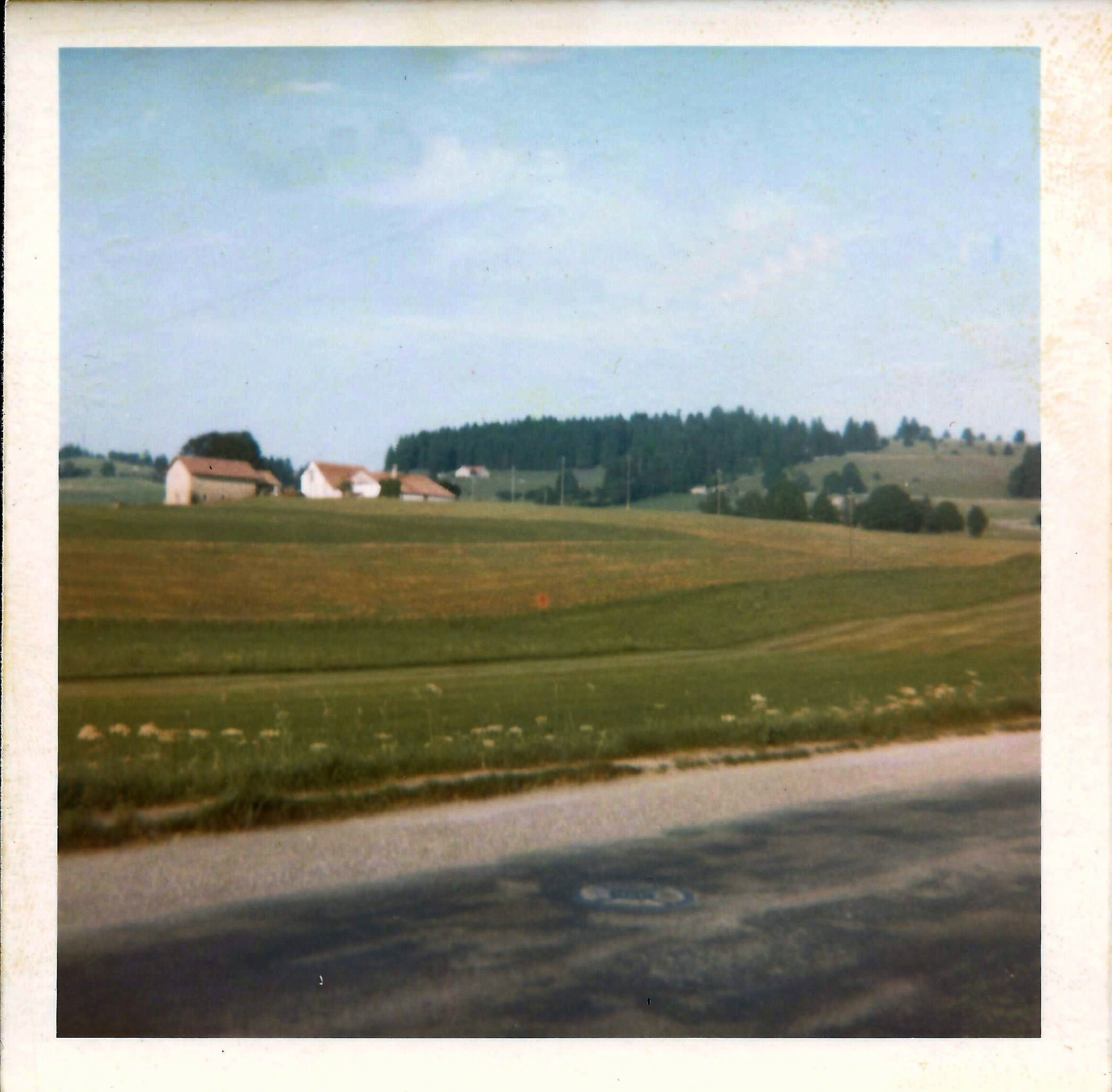
Leaving La Chaux-de-Fonds. 24th July 1969.
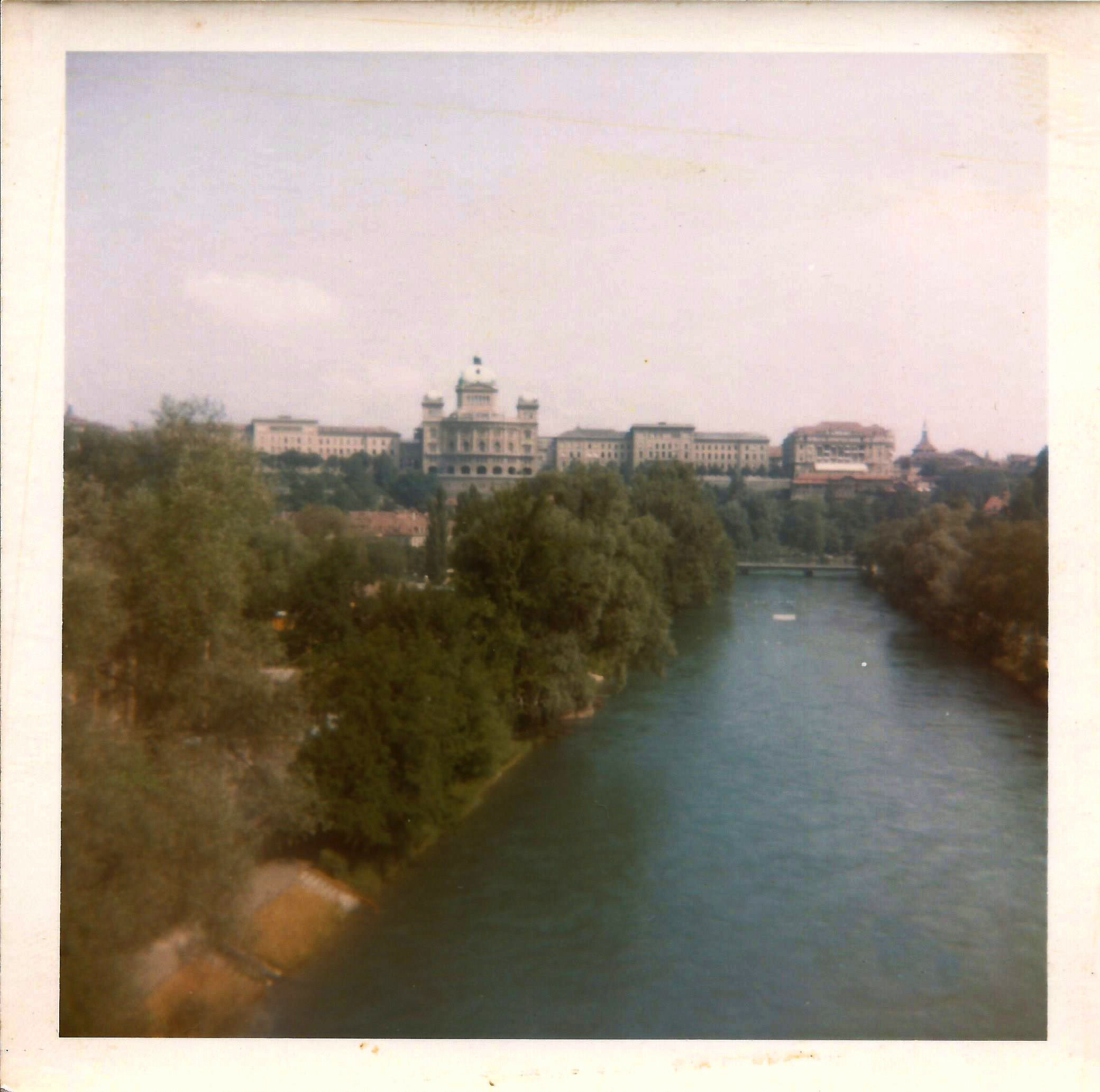
Bern. South face of the Parliament Building from across the Aare River. 24th July 1969. Palais fédéral : la façade sud.
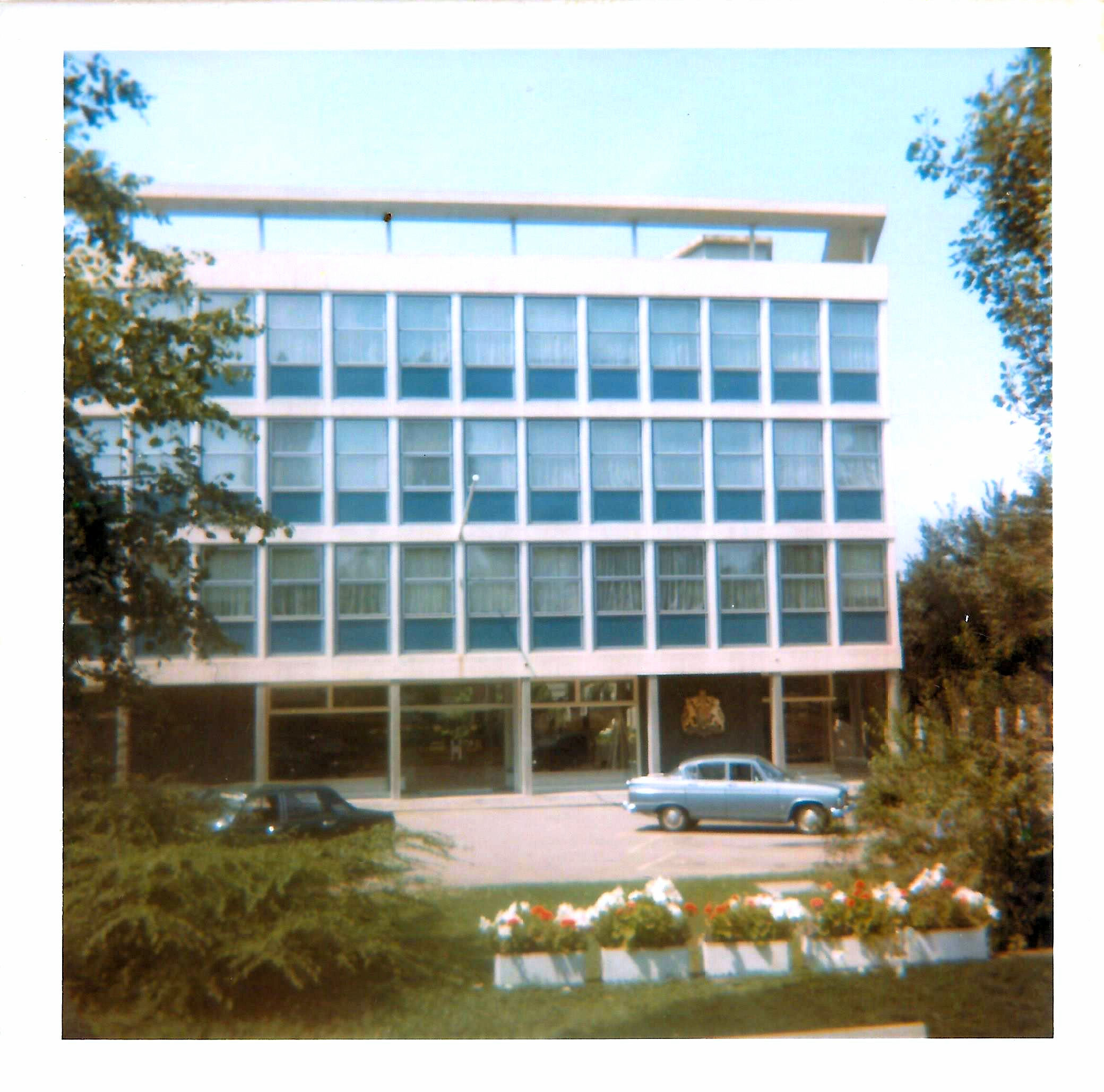
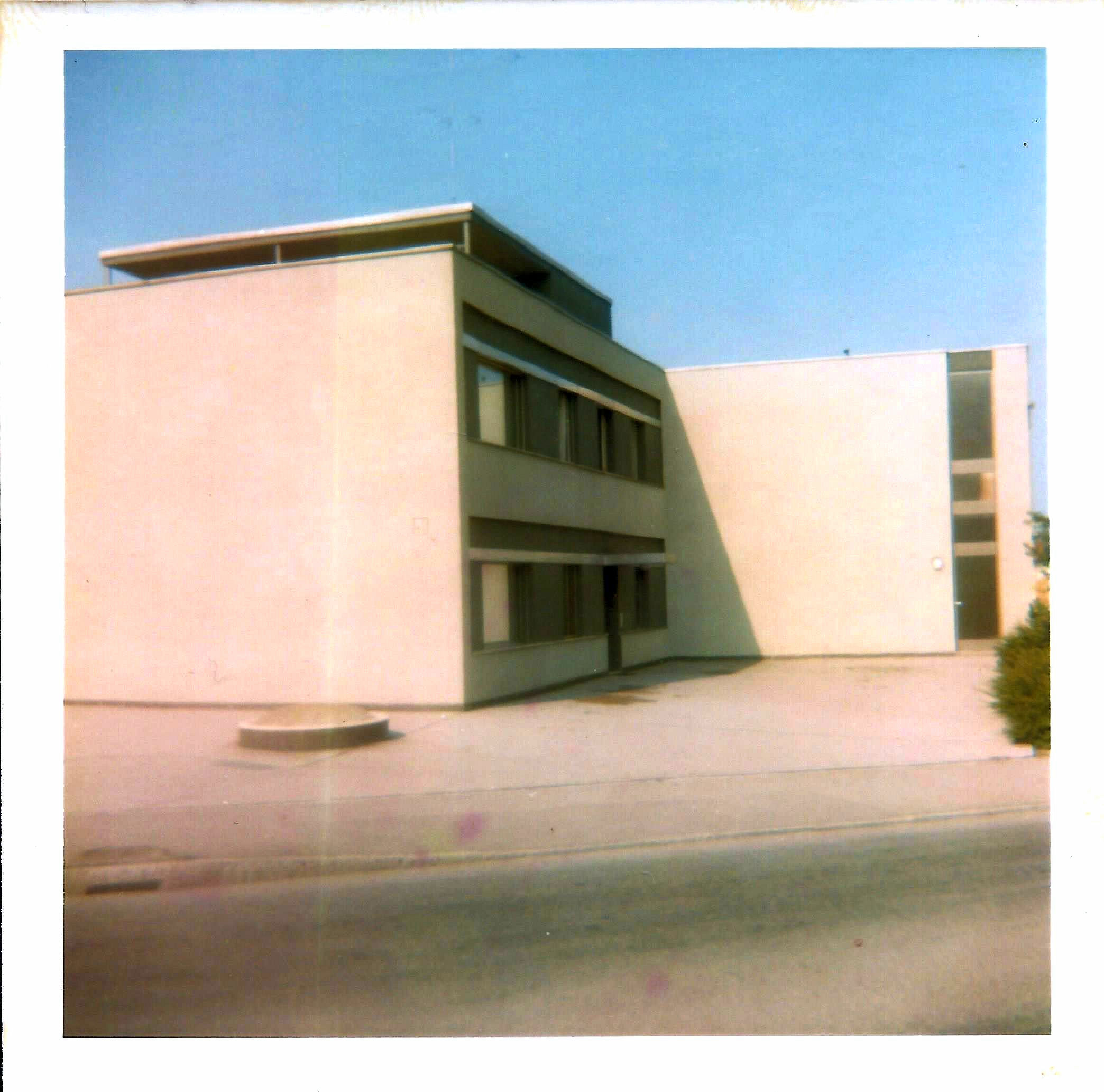
The British Embassy in Bern 24th July 1969. (Thunstrasse 50, 3005 Berne, Switzerland.) 24th July 1969.
I met the British Consul. His secretary telegrammed my parents. I have the telegram somewhere. “Please contact Distress London re your son James Patrick in Switzerland.” My situation was explained and enough money for the fare back to England cabled to me. The Consul’s secretary took me to her house and gave me one of her son’s shirts and a pair of his shoes because mine were in halves, tied together with string. The money arrived late afternoon and I was taken to the railway station. When the car that had dropped me had left, I left the station and carried on hitchhiking.
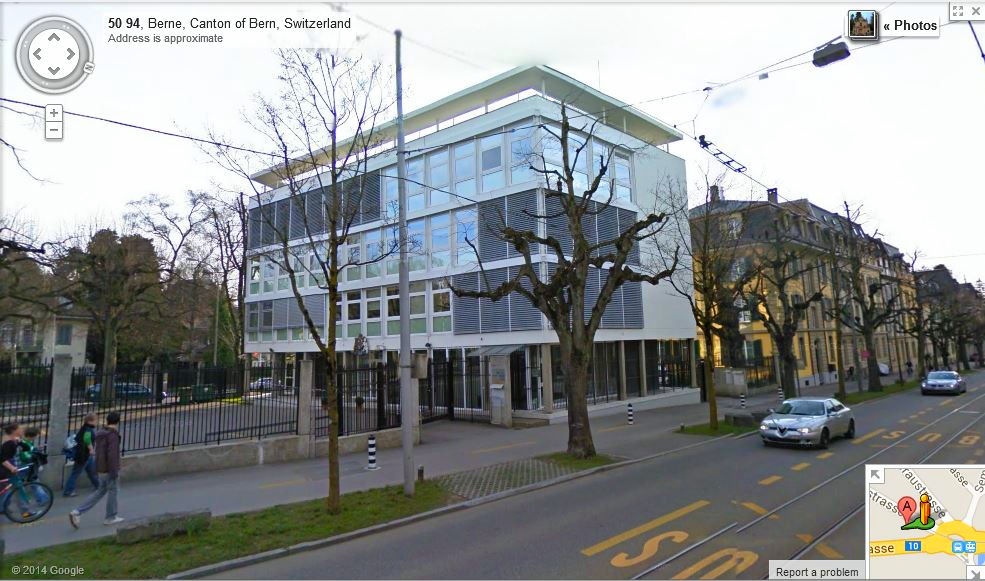
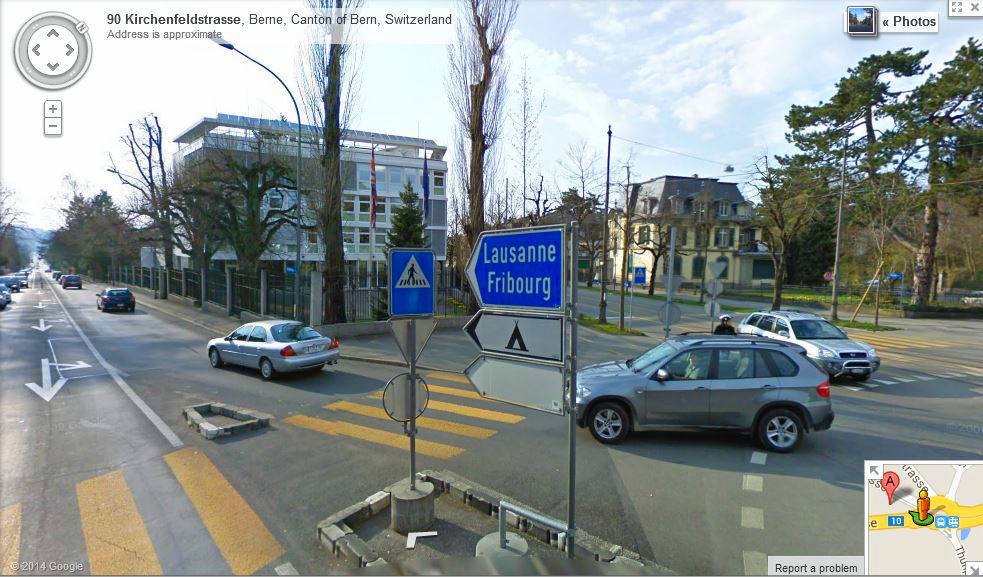
The current diplomatic situation on Google street view.
The British Embassy in Bern – 1. (Thunstrasse 50, 3005 Berne, Switzerland.)
Complete with solar panels.
The British Embassy in Bern – 2. (Thunstrasse 50, 3005 Berne, Switzerland.)
I was in the suburbs when a fierce electrical storm began. The lightning was beautiful. I sheltered from the rain in a doorway. A Lamborghini, a Ferrari and a Porsche pulled up. Everyone got out and hugged the girl who’d climbed out of the passenger seat of the Lambo. The cars drove away and she approached the doorway. I moved to one side and she went in. A few minutes later, the door opened and she said, in English, “My parents say would you like to stay for the night?” She’d noticed the flag on my rucksack. I had a bath, dinner, a bed in the spare room for the night, breakfast and some more money. She also washed and dried one of my shirts. In the morning, she told me that her parents had left and that she had a modelling photoshoot. She gave me the key to the front door and asked me to lock it and push the key through the letterbox when I left.
Where I slept the day Pete split. 24th July 1969.
I kept a daily diary but it was lost, probably only about 15 years ago, in a house move. C’est la vie. It wasn’t much more than a record of where I was each day and what I had to eat. I feel fortunate to have deeply poignant memories in at least this picture form especially as I no longer have the negatives. The diary would have told me the name of the girl in the Lamborghini who washed my shirt but sometime life may be better for its mysteries, like the moment in the morning when she held both my hands in hers, gazed into my eyes, opened her mouth to speak, looked away and then, within seconds was out the front door to a waiting car and gone in a roar. Years later, it occurred to me that possibly it was an unspoken invitation to still be there when she . . . well, who knows?
I don’t recollect exactly how I arrived at Le Havre to catch a ferry back to Southampton. Somewhere, I fell asleep on a train and was woken by staff after the train had been parked in sidings for the night and I had to walk back across a lot of railway tracks.
I arrived in Southampton in the afternoon on Saturday 26th July 1969. I walked from the ferry terminal to the Millbrook Road and hitchhiked back to Lyndhurst. When I walked through the back door my mother said, “Hello dear. Cup of tea?” After a cup or tea, I went to bed. I woke up to a knock on my bedroom door and looked at my watch which said two o’clock. I said, “Wow, Sunday afternoon.” My mother said, “It’s Monday afternoon,” and it was.
And finally . . . the poem I wrote after I arrived back in Lyndhurst.
JOHNNY, CHEVALIER DE LA LÉGION D’HONNEUR
un garçon anglais de douze ans
descend silencieusement chaque nuit
pour syntoniser la radio de ses parents
à une station de radio française,
notant soigneusement la position du cadran
afin qu’il puisse le réinitialiser à leur insu.
il écoute attentivement comme la station
joue alternativement les disques français
et l’anglais, espérant entendre encore
la voix qui a touché son âme,
la voix de liberté, l’espoir et la vérité
avec un an d’apprentissage du français à l’école,
il souches pour comprendre le présentateur
et attraper le nom du chanteur,
puis il entend l’excitation irrépressible
dans la voix du présentateur
comme il annonce sans aucun doute
“Johnny Hallyday”.
même sur ces nuits
quand il n’entend pas Johnny,
Johnny remplit son coeur et l’esprit avec des rêves.
en 1969, âgé de dix-neuf, il achète un passeport
et un aller simple de Londres à Paris.
de Paris il fait de l’auto-stop ou marche
à Lyon, Montélimar, Marseille, St. Tropez,
Cannes, Juan-Les-Pins, St. Raphael et Nice
où il dort paisiblement sur la plage,
n’oubliant jamais la dame dans Cassis
qui lui a salué, juste normalement,
avec une tasse de thé anglais.
sur chaque route et dans chaque rue
dans chaque village, ville et cité qu’il visite,
son sourire infatigable est salué
avec une chaleur, un respect et une hospitalité
qu’il ne rencontrais pas avant.
tout simplement, je vous remercie,
mon ami, mon frère, Johnny,
Chevalier de la Légion d’honneur.
JOHNNY, KNIGHT OF THE LEGION OF HONOUR
a twelve-year-old English boy
creeps downstairs every night
to tune his parents’ radio
to a French radio station,
carefully noting the position of the dial
so he can reset it without them knowing.
he listens intently as the station
alternately plays French and English
records, hoping to hear again
the voice that has touched his soul,
the voice of freedom, hope and truth.
with one year of schoolboy French,
he strains to understand the broadcaster
and to catch the singer’s name,
then he hears the irrepressible excitement
in the broadcaster’s voice
as he unmistakably announces
“Johnny Hallyday”.
even on those nights
when he doesn’t hear Johnny,
Johnny fills his heart and mind with dreams.
in 1969, aged nineteen, he buys a passport
and a one-way ticket from London to Paris.
from Paris he hitchhikes or walks
to Lyon, Montelimar, Marseille, St. Tropez,
Cannes, Juan-Les-Pins, St. Raphael and Nice
where he sleeps peacefully on the beach,
never forgetting the lady in Cassis
who greeted him, so matter of factly,
with a cup of English tea.
on every road and in every street
in every village, town and city he visits,
his indefatigable smile is greeted
with a warmth, respect and hospitality
he’s never encountered before.
simply, thank you, my friend,
my brother, Johnny,
Knight of the Legion of Honour.
You know those days when you wake up and get to the hotel dining room for breakfast just before it closes because meals are included in the room rate but you haven’t got over the excesses of last night and you pile your tray high because the staff are about to clear things away and you think you’ll go to the nearest beach although you don’t know where it is or how far and you feel like you could use another 36 hours sleep but you have a duty to get out there and look good and give other people something to talk about so when you get back to your room you put your baggies on under your jeans and you wish you had bushy bushy blond hair but what the hell and you catch a bus to the beach and the scenery looks good but all you have is a stills camera so you set it on video at 15 frames a second and take a 13 minute 45 second film in one moving scene and you try to remember what country you’re in and you look at the road signs for a clue but they might as well be Greek and you don’t understand a word you hear but everyone is smiling at you and you wonder what’ll happen when the bus stops and you have to stop filming . . . well, this is that movie . . .













 James Sapsard - Writer for a Generation.